
Why Is Roof Maintenance Important for Every Homeowner?
A roof does a lot of work without asking for much attention. It keeps rain out. blocks the worst of the wind. gives shade during hot weather. and protects everything underneath it. Most people only think about the roof when something goes wrong. A damp patch appears on the ceiling. A tile falls into the garden. Water starts dripping during a storm. By then the problem may have grown beyond a simple repair. Roof Maintenance helps you catch those small faults before they turn into expensive jobs. You do not need to become an expert roofer or spend every weekend climbing a ladder. A few sensible checks throughout the year can tell you plenty. Look for damaged tiles. blocked gutters. cracked flashing. loose edges. and signs of water getting where it should not. Those little checks can save money. protect the inside of your home. and give you a much better idea of the roof’s condition.
Why Does Every Home Need Regular Roof Checks?
No roof stays untouched forever. Rain wears on the surface. Wind can shift tiles. Sunlight dries out some materials. Moss may grow in shaded areas. Birds can disturb small sections around the edges. Even a roof that looked perfect a few years ago can develop faults. Regular checks help you notice these changes while they remain manageable. You might find a loose tile that needs a quick fix rather than discovering it after a storm. You may also spot a blocked gutter before overflowing water reaches the walls. The point is not to search for problems every day. A quick look from ground level can make a difference. For anything you cannot safely inspect yourself. call a roofing professional. Roof work can become dangerous very quickly.
How Can Roof Maintenance Save You Money?
Small repairs rarely feel urgent. That is why homeowners often put them off. A cracked tile may seem harmless. A loose flashing section may not leak today. A gutter joint might only drip during heavy rain. Leave those faults alone and water gets more chances to cause trouble. Moisture can reach insulation. timber. plaster. and electrical areas. Suddenly a small roof repair becomes part of a much larger project. Regular care gives you a chance to deal with faults before they spread. You also avoid the cost of emergency work when bad weather exposes a neglected problem. Nobody enjoys paying for roof repairs. Still. spending a little on sensible upkeep can often cost far less than repairing water damage inside the house.
What Problems Can You Spot During a Roof Inspection?
A roof inspection does not need to involve a long list of technical terms. Start with what you can see. Missing or broken tiles deserve attention. Look for areas that appear uneven or sagging. Check whether the gutters sit straight. Look around the flashing near chimneys and roof joins. Dark marks or damp patches inside the loft can also point towards a leak. Moss itself does not always mean the roof needs replacing. A heavy buildup can hold moisture against the surface though. That makes it worth checking. Inside the house. keep an eye on ceilings and upper walls. Water stains can appear far from the actual entry point. If you notice something unusual. do not assume it will disappear on its own.
Why Do Gutters Matter So Much?
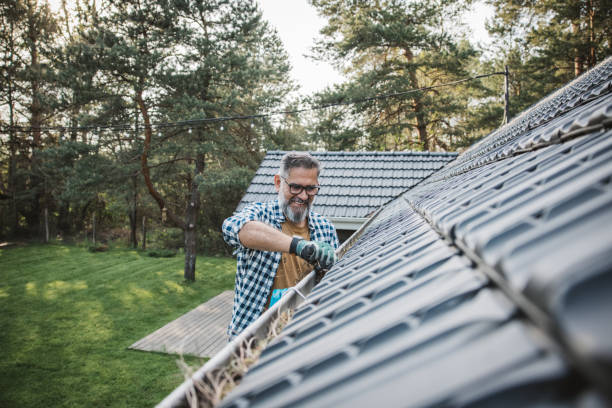
Gutters form part of the roof’s drainage system. They catch rainwater and guide it towards the downpipes. When leaves. moss. twigs. or dirt block the channel. water has nowhere to go. It may spill over the edge and run down the walls. Over time that can contribute to staining. damp. damaged pointing. and problems around the base of the property. Cleaning gutters does not take long when you do it at sensible intervals. You should also check the joints and brackets. A loose gutter can cause trouble even when the channel itself looks clear. During autumn. you may need to check them more often because falling leaves can pile up quickly.
Can Small Roof Repairs Prevent Major Damage?
They often can. A small repair gives you the chance to stop a weak point before water finds it. Replace a damaged tile. tighten a loose fitting. repair worn flashing. or clear a blocked outlet. These jobs may look minor. Yet each one removes a possible route for rain. Think of it like fixing a small crack in a wall. The crack may not threaten the whole house today. Ignore it for years and the situation can change. Roofs face constant exposure. That means small faults get tested again and again by the weather. Early repairs break that cycle before it becomes a bigger headache.
How Does Weather Affect Your Roof?
Your roof deals with whatever the sky throws at it. Heavy rain can expose gaps. Strong winds can move loose tiles. Hot sunlight can age some roofing materials. Frost can put pressure on water trapped inside tiny cracks. Snow can add weight in colder climates. Storm debris can also cause sudden damage. You cannot control the weather. You can control how quickly you respond after it passes. Give the roof a quick check following severe conditions. Look from the ground first. If you spot a missing tile or damaged section. arrange an inspection. Do not climb onto a wet or damaged roof to investigate by yourself.
When Should You Check Your Roof?
There is no need to wait for a leak. Many homeowners find it useful to look over the roof a couple of times each year. Spring makes sense because winter weather may have caused damage. Autumn also gives you a chance to check the roof before heavier rain and falling leaves arrive. You should also inspect it after a major storm. Keep the checks simple. Walk around the property and look at the roofline. gutters. downpipes. and visible tiles. Inside the loft. look for damp marks or daylight coming through places that should remain covered. If something seems off. get a professional opinion.
Does Roof Maintenance Help With Energy Efficiency?
A healthy roof can support the rest of your home’s energy performance. Insulation works best when it stays dry and sits in good condition. If a roof leak allows water into the loft. wet insulation may lose some of its usefulness. Poor ventilation can create another issue. Warm moist air can collect in the roof space and contribute to condensation. Good ventilation and a sound roof work together. They help keep the loft environment in better shape. This does not mean roof repairs will suddenly cut your energy bills in half. It means you avoid problems that can undermine insulation and create unnecessary heat loss.
Why Should You Pay Attention to Roof Flashing?
Flashing protects the areas where the roof meets another structure. You often find it around chimneys. roof valleys. walls. and other joints. These areas need extra protection because water can gather or change direction there. Flashing that cracks. lifts. or loses its seal can allow water inside. The first sign might appear indoors as a damp patch. By then the leak may have travelled along another part of the structure. During a roof check. look for obvious gaps or damaged sections around these areas. Do not try to patch serious flashing problems with random materials. A roofing professional can identify the right repair and make sure the water has a proper path away from the joint.
Can Moss and Algae Damage a Roof?
Moss and algae often appear on roofs that receive less sunlight. A little growth does not automatically mean disaster. Heavy moss can become more troublesome. It can hold moisture close to the surface and may work its way around tiles or joints. Moss can also fall into gutters and contribute to blockages. Do not attack it with harsh cleaning methods without checking the roofing material first. Pressure washing can damage some roof surfaces and push water into places where it does not belong. A professional can recommend a suitable cleaning method when growth becomes excessive.
Why Is Loft Inspection Part of Roof Care?
The outside of the roof tells only part of the story. The loft can reveal problems that remain invisible from the ground. Look for water marks. damp timber. mould. damaged insulation. or small patches where daylight enters through gaps. A musty smell can also deserve attention. You do not need to inspect the loft every week. Add it to your occasional home check. If you find dampness. try not to guess the cause. The water may enter through a roof section several feet away from where you see the mark. A roofer can trace the issue and find the actual entry point.
Should You Repair or Replace the Roof?
Not every roof problem calls for a new roof. That idea can worry homeowners when they notice damage. A professional inspection can help separate a repairable fault from a wider issue. One or two broken tiles may only need replacement. Widespread deterioration presents a different picture. The age of the roof also matters. So does the condition of the underlying structure. If the roof has repeated leaks and many materials have reached the end of their useful life. replacement may make more sense. Do not make the decision from one small visible fault. Look at the roof as a whole.
How Can Homeowners Keep Roof Maintenance Simple?
The easiest approach involves small habits rather than large jobs. Keep gutters clear. Look at the roof after strong storms. Check the loft for signs of damp. Pay attention to stains on ceilings. Watch for loose tiles or damaged flashing. Keep trees near the house under control so branches do not rub against the roof. You can handle some basic checks yourself. Leave risky work to a qualified roofer. That balance keeps things practical. You do not need specialist knowledge to notice that a gutter has come loose or that a tile is missing. You only need to act when you spot it.
Why Should You Avoid Delaying Roof Repairs?
Procrastination feels harmless when the roof still looks fine from the garden. Water does not always give you such a generous warning. A small opening can let moisture in during heavy rain. The water may travel through insulation or timber before you see a mark inside. Months can pass before the damage becomes obvious. By then you may face more work than you expected. Acting early gives you more choices. You can repair the affected area. replace a small section. and monitor the result. Waiting removes those easy options. The roof does not need panic. It needs attention at the right time.
What Role Does Professional Roof Maintenance Play?
Homeowners can handle basic visual checks. Some work belongs in professional hands. Roofers have the equipment and experience to inspect difficult areas without taking unnecessary risks. They can assess tiles. flashing. ventilation. gutters. roof edges. and the underlying structure. They can also tell you whether a problem needs immediate action or simple monitoring. This matters because online advice or a quick look from the garden cannot reveal everything. A professional inspection can give you a clearer picture of the roof’s condition. It may even reassure you that everything looks fine. That answer has value too.
What Are the Long Term Benefits of Looking After Your Roof?
A cared for roof can protect the rest of the property for longer. You reduce the chance of surprise leaks. Keep drainage working. protect insulation. and catch small defects before they spread. Regular care also helps you plan future spending. Instead of facing a sudden roof crisis. you may learn that certain sections need attention within the next year or two. That gives you time to budget and compare options. Your home deserves that kind of foresight. The roof sits above everything you own. Looking after it makes sense.
Conclusion
Roof Maintenance does not have to feel like a huge chore. You can start with simple checks around the property and pay attention to anything that looks different. Clear the gutters. inspect the visible roofline. check the loft for damp. and look over the roof after severe weather. When you find damage. deal with it before the problem grows. Some jobs need a professional from the start. That includes work on steep roofs. major leaks. damaged structures. and difficult areas that require specialist equipment. A roof may not be the most exciting part of a home. It is one of the most useful. Give it some care and it can keep doing its job without creating unnecessary drama.