
Wall Bed Dubai: Modern Designs for Compact Bedrooms
Introduction: Transforming Small Spaces with Wall Bed Dubai
Modern homes increasingly require furniture that combines style, comfort, and functionality. In apartments and compact bedrooms, making the most of every square meter is an important part of interior planning. Wall Bed Dubai offers a practical way to create flexible living spaces by allowing homeowners to fold a bed away when it is not in use. This approach can help make smaller bedrooms feel more open while providing the comfort of a conventional sleeping area.
Choosing Wall Bed Dubai means exploring furniture designs that adapt to different room layouts and everyday activities. A wall bed, also known as a Murphy bed, is designed to fold vertically or horizontally into a cabinet or wall unit. Depending on the configuration, it can be paired with shelves, wardrobes, desks, or decorative panels to create a coordinated interior. These options make wall beds suitable for guest bedrooms, studio apartments, multipurpose rooms, and modern homes where space is limited.
With Wall Bed Dubai, homeowners can consider more than just the bed itself. The surrounding furniture, storage arrangements, lighting, materials, and opening mechanism all contribute to the room’s overall functionality. A thoughtfully selected design can support comfortable sleeping while making room for other activities during the day. Whether you prefer minimalist furniture or a more luxurious interior, modern wall beds offer several ways to personalize a compact bedroom.
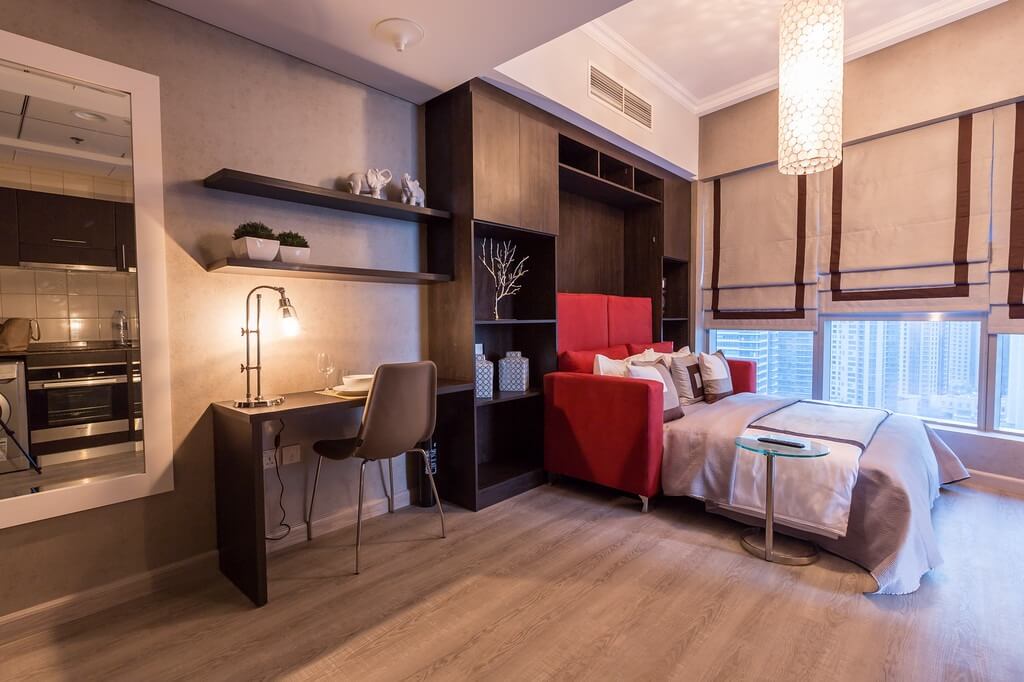
Why Wall Bed Dubai Is a Practical Choice for Compact Bedrooms
A compact bedroom needs furniture that serves its purpose without making the room difficult to use. Traditional beds occupy a considerable amount of floor space throughout the day, even when nobody is sleeping. A wall bed offers an alternative by allowing the sleeping area to be folded away when appropriate.
1. Create More Usable Floor Space
One of the main advantages of a wall bed is the ability to free up floor space when the bed is folded away. This can make it easier to use a bedroom for activities such as reading, exercising, studying, or working from home.
For example, a small guest bedroom may function as a home office during the week and become a comfortable sleeping area when visitors arrive. Instead of dedicating the entire room to a permanent bed, homeowners can use furniture that supports different purposes.
The amount of usable space gained depends on the bed’s dimensions, cabinet design, and the room’s layout. Accurate planning is essential to ensure that the folded bed does not interfere with doors, walkways, or other furniture.
2. Support Multipurpose Room Designs
Modern homes often include rooms that serve several functions. A wall bed can help create a flexible environment without requiring separate rooms for every activity.
A bedroom may also function as:
- A home office with a dedicated desk.
- A guest room with additional storage.
- A study area with bookshelves.
- A hobby room with space for creative activities.
- A relaxation area with comfortable seating.
The key is to select a layout in which the bed and other furniture can coexist without making everyday use inconvenient.
3. Maintain a Clean and Modern Interior
Many contemporary wall beds are integrated into cabinets or built-in furniture units. When folded away, the exterior can resemble a wardrobe, decorative wall panel, or storage cabinet.
This creates an opportunity to maintain a coordinated interior appearance. Matching the cabinet finish to the surrounding furniture can make the wall bed feel like a natural part of the room.
Homeowners can choose from simple, understated designs or more decorative options depending on their preferred interior style.
Modern Wall Bed Dubai Designs for Different Bedroom Layouts
Wall beds are available in different configurations, allowing homeowners to select a design according to the dimensions and intended use of their rooms.
1. Vertical Wall Beds for Contemporary Bedrooms
Vertical wall beds fold upward into a cabinet, with the sleeping surface positioned vertically when stored. They are commonly considered for bedrooms with sufficient ceiling height and an appropriate wall arrangement.
These designs can work well in compact bedrooms where the available wall is tall enough to accommodate the cabinet. They may also provide an opportunity to incorporate overhead storage or surrounding shelving.
Before selecting a vertical model, measure the ceiling height and the clearance required when opening the bed. Consider nearby ceiling fixtures, fans, lighting, and other obstructions.
2. Horizontal Wall Beds for Narrow Rooms
Horizontal wall beds fold sideways into a cabinet and may be suitable for rooms where a vertical arrangement is difficult to accommodate.
Their orientation can work well in certain narrow bedrooms or spaces with lower ceiling heights. Depending on the design, they may also fit beneath windows or alongside existing furniture, provided the necessary installation clearances are available.
A horizontal wall bed still requires sufficient floor space when opened. The final layout should be checked carefully to ensure comfortable movement around the sleeping area.
3. Minimalist Wall Beds for Modern Interiors
Minimalist wall beds focus on simple shapes, clean lines, and understated finishes. They are often designed with flat cabinet fronts, discreet handles, and neutral colors.
Popular choices include white, beige, grey, and natural wood-inspired finishes. These can complement contemporary bedrooms and help create a visually calm environment.
A minimalist wall bed may be particularly suitable for homeowners who want multifunctional furniture without making it the dominant visual feature of the room.
4. Luxury Wall Beds with Decorative Panels
For homeowners who prefer a more distinctive interior, wall beds can be incorporated into decorative cabinetry with textured panels, premium-looking finishes, and coordinated hardware.
Depending on the design, the cabinet may include feature lighting, integrated shelves, contrasting materials, or decorative wall sections.
The objective is to combine the appearance of custom furniture with the practical benefits of a folding bed. Material selection and proportions should remain consistent with the room’s overall design.
Space-Saving Wall Bed Dubai Ideas with Built-In Storage
Storage is an important consideration in compact bedrooms. Combining a wall bed with additional furniture can reduce the need for separate cabinets and help keep the room organized.
1. Wall Beds with Wardrobes
A wall bed can be integrated into a larger furniture unit that includes wardrobe compartments. This arrangement may be useful in studio apartments or bedrooms where clothing storage and sleeping space must share one wall.
The wardrobe sections can include hanging rails, shelves, and drawers, while the bed remains in a separate central compartment.
The overall unit should be designed so that doors, drawers, and the bed can operate without obstructing one another.
2. Wall Beds with Bookshelves
Bookshelves can be incorporated around or beside a wall bed to create a functional study or reading area.
Open shelves provide space for books, decorative objects, and storage baskets. Closed compartments can help conceal less attractive everyday belongings.
When planning this arrangement, ensure that shelving does not interfere with the bed’s movement and that objects cannot fall when the bed is opened or closed.
3. Wall Beds with Integrated Cabinets
Additional cabinets can make use of the wall space surrounding a folding bed. Depending on the dimensions, these may include overhead storage, side cupboards, or drawers.
Integrated cabinetry can create a consistent visual appearance and make it easier to organize items that would otherwise require separate furniture.
For safety and convenience, the storage layout should be planned around the bed’s operating mechanism and the manufacturer’s installation requirements.
Wall Bed Dubai with a Home Office for Flexible Living
A bedroom that doubles as a workspace can benefit from furniture that adapts to different activities. Wall beds can be combined with desks or other office furniture, although the exact arrangement depends on the model.
1. Wall Beds with Fold-Down Desks
Some multifunctional systems incorporate a desk into the furniture arrangement. Depending on the mechanism, the desk may remain usable while the bed is stored or be designed to move as part of the transformation.
This can be useful for people who work from home and need a dedicated surface without permanently sacrificing bedroom space.
Before choosing a system, confirm how the desk behaves when the bed is opened. Check whether computers, monitors, stationery, and other equipment need to be removed or repositioned.
2. Create a Dedicated Work Zone
A practical home office requires more than a desk. It may also need suitable lighting, accessible power outlets, storage, and enough room for a comfortable chair.
Position the workspace so that it does not obstruct the bed’s opening area. If possible, separate the sleeping and working zones visually through furniture placement, lighting, or coordinated finishes.
A clear layout can help the room transition more comfortably between daytime work and nighttime rest.
3. Choose Furniture That Complements the Wall Bed
The desk, chair, shelving, and wall bed should work together in terms of dimensions and appearance.
For compact rooms, consider furniture with a smaller footprint, concealed storage, or flexible placement. Avoid adding too many separate units that reduce the floor space the wall bed is intended to free up.
Choosing the Right Wall Bed Dubai Materials and Finishes
Materials and finishes influence the wall bed’s appearance, maintenance, and overall cost. The choice should reflect the room’s interior design and the practical demands of everyday use.
1. Wood-Inspired Finishes for Warm Interiors
Wood-inspired surfaces can introduce warmth and visual texture into contemporary bedrooms. Light oak, walnut-inspired, and medium wood tones can complement neutral walls, upholstered furniture, and soft lighting.
These finishes can be used across the cabinet or combined with contrasting panels to create visual interest.
When reviewing material samples, consider how they appear under the room’s actual lighting. A finish that looks different in a showroom may have a different visual effect in a bedroom with limited daylight.
2. Neutral Finishes for Small Bedrooms
Neutral colors can help create a coordinated appearance and work with different furniture styles.
White and soft beige may complement bright, minimalist interiors, while taupe and grey can provide a more subdued look.
For a compact bedroom, consider how the cabinet color relates to the walls. Similar tones can make the furniture appear visually integrated, while contrasting finishes can make it a stronger design feature.
3. Hardware and Opening Mechanisms
The opening mechanism is one of the most important parts of a wall bed. Depending on the model, it may use a spring-assisted or piston-assisted system.
Ask about the mechanism’s operating instructions, rated capacity, maintenance requirements, and available safety features.
The mechanism should be appropriate for the specific bed size and installation arrangement. Professional assembly and secure attachment according to the manufacturer’s instructions are important considerations.
Planning a Comfortable Bedroom Around a Wall Bed
A wall bed should support comfortable sleeping as well as flexible room use. The surrounding environment needs to be planned carefully so that the bed remains convenient and the bedroom is easy to move around in.
1. Allow Enough Clearance Around the Bed
Before purchasing a wall bed, check the full dimensions of the bed when it is both open and closed.
Measure the distance between the bed and nearby furniture, doors, windows, and walkways. The opened bed should not block essential access routes or create an uncomfortable arrangement.
Also consider the space needed to make the bed, change bedding, and move around it.
2. Select a Suitable Mattress
Mattress compatibility depends on the wall bed’s design and the manufacturer’s specifications.
Check the approved mattress dimensions, thickness, and weight range. An unsuitable mattress may affect the bed’s operation or prevent it from closing properly.
Also consider your comfort preferences, sleeping position, and any relevant mattress care instructions when making your selection.
3. Plan Lighting for Day and Night
Lighting can make a compact bedroom more practical and comfortable.
Consider general room lighting, bedside lighting, and task lighting for reading or working. If the wall bed includes integrated storage, additional illumination may help make compartments easier to use.
Position lighting and electrical fixtures so that they do not interfere with the cabinet or moving parts.
Wall Bed Dubai for Guest Rooms and Studio Apartments
Wall beds can be useful in rooms that are not used exclusively for sleeping. Their folding design can help homeowners create a more adaptable arrangement for visitors or everyday activities.
1. Guest Rooms That Serve Multiple Purposes
A guest room may remain unused for much of the year. A wall bed can allow the room to function as a study, hobby room, or relaxation space when visitors are not staying overnight.
When guests arrive, the bed can be opened and the room rearranged as needed.
Consider including accessible bedding storage, a small bedside surface, and convenient lighting to make the sleeping area more practical.
2. Studio Apartments with Flexible Layouts
Studio apartments combine sleeping, living, and sometimes working areas within a single open space.
A wall bed may help separate sleeping arrangements from daytime activities without requiring a permanent partition.
For example, the bed cabinet can be incorporated into a larger furniture wall that also includes storage or shelving. Furniture placement and walking routes should be planned carefully to avoid overcrowding the space.
3. Children’s and Teenagers’ Rooms
In some children’s or teenagers’ rooms, flexible furniture can create additional room for studying, hobbies, or play.
However, the selected wall bed must be suitable for the intended user and operated according to its instructions. Children should not operate mechanisms unless the manufacturer permits it and appropriate supervision and safety arrangements are in place.
For family bedrooms, consider ease of use, secure installation, and the amount of open space available when the bed is stored.
How to Choose a Wall Bed Dubai Design According to Your Budget
Wall bed prices can vary depending on size, construction, materials, hardware, storage features, and installation requirements. A clear budget can help narrow the available options.
1. Start with the Essential Requirements
Identify the main purpose of the wall bed before comparing designs.
Consider whether you need a permanent sleeping arrangement, occasional guest accommodation, or a multipurpose room that requires a folding bed.
Decide which features are essential, such as integrated storage, a particular orientation, or a specific mattress size.
2. Compare Complete Specifications
When comparing quotations, review the same details for each option. These may include cabinet dimensions, panel materials, mattress compatibility, hardware, storage accessories, delivery, and installation.
Ask whether the price includes wall preparation, secure fixing, and any additional work required for the installation.
A detailed comparison can make differences between proposals easier to understand.
3. Consider Long-Term Maintenance
A wall bed includes moving parts and should be maintained according to the manufacturer’s instructions.
Ask about inspection requirements, warranty coverage, available replacement parts, and service arrangements.
Also consider how easily the cabinet surfaces can be cleaned and whether the selected materials are suitable for the room’s environmental conditions.
Common Wall Bed Design Mistakes to Avoid
Careful planning can help homeowners avoid problems with comfort, accessibility, and everyday use.
1. Choosing a Design Without Measuring the Room
A wall bed may fit against a wall when folded but require considerably more space when opened.
Measure the full operating dimensions and check the position of doors, windows, switches, and nearby furniture.
Do not rely on the cabinet’s closed dimensions alone when assessing whether a model is suitable.
2. Overlooking the Installation Requirements
Wall beds need secure installation appropriate to the product and the supporting structure.
Confirm the manufacturer’s fixing requirements and whether the existing wall is suitable. Some installations may require particular structural support or professional assessment.
Avoid modifying the mechanism or mounting arrangement outside the manufacturer’s specifications.
3. Adding Too Much Furniture
The purpose of a wall bed is often to make a room more flexible. Filling the newly available floor space with additional large furniture may reduce that flexibility.
Plan the room around the activities it needs to support. Choose only the furniture required for comfortable daily use.
4. Ignoring Ease of Operation
A wall bed should be practical to open and close according to its design. Review the operating instructions and, if possible, see a demonstration of the mechanism before purchasing.
Consider who will use it and whether they can operate it correctly. Check that the design includes the safety features and clearances required by the manufacturer.
How to Work with a Wall Bed Designer in Dubai
Professional planning can help ensure that a wall bed suits the room’s layout and the homeowner’s storage and comfort requirements.
1. Prepare Accurate Measurements
Record the room’s length, width, ceiling height, and the dimensions of the wall where the bed will be installed.
Include the locations of doors, windows, electrical outlets, air-conditioning units, and other features that may affect placement.
If the room has unusual corners or built-in features, include these in the initial planning discussion.
2. Explain How You Will Use the Room
Tell the designer whether the room is primarily a bedroom, home office, guest room, or multipurpose space.
Describe how frequently the bed will be opened and closed and what other activities need to take place in the room.
This information can help determine the suitable bed orientation, cabinet arrangement, and additional furniture.
3. Review the Complete Design
Ask to review the proposed layout with the bed both open and closed. Check access to storage, walking routes, desk arrangements, and nearby furniture.
Confirm the mattress specifications, operating mechanism, cabinet finish, and installation requirements before approving the design.
4. Confirm Delivery, Installation, and Warranty
Discuss the delivery schedule, installation process, warranty terms, and after-sales support.
Confirm who is responsible for secure mounting and whether any additional room preparation is required.
Written specifications can help ensure that the supplied product matches the approved design.
Conclusion: Create a Flexible Modern Bedroom with Wall Bed Dubai
Compact bedrooms can be designed to support comfortable sleeping, work, storage, and relaxation without requiring every activity to have a separate room. The right furniture arrangement can make a significant difference to how efficiently a small space is used.
Wall Bed Dubai offers homeowners a flexible furniture option for guest rooms, studio apartments, home offices, and contemporary bedrooms. From vertical and horizontal models to integrated wardrobes, desks, and shelving, different designs can be adapted to a variety of room layouts and interior preferences.
The most important factors are accurate measurements, mattress compatibility, safe installation, convenient operation, and a layout that supports everyday activities. By considering these requirements alongside materials, finishes, and budget, homeowners can select a wall bed that complements their interiors and makes their living space more adaptable.
Frequently Asked Questions (FAQs)
1. What Is a Wall Bed and How Does It Work?
A wall bed, also known as a Murphy bed, is designed to fold into a cabinet or wall unit when it is not being used for sleeping. Depending on the model, it may fold vertically or horizontally and use a spring-assisted or piston-assisted mechanism.
2. Is Wall Bed Dubai Suitable for Small Bedrooms?
Yes. Wall beds can be suitable for compact bedrooms because they can be folded away when not in use. The amount of space available depends on the room’s dimensions, bed orientation, and surrounding furniture.
3. What Is the Difference Between Vertical and Horizontal Wall Beds?
Vertical wall beds fold upward into a cabinet and generally require sufficient ceiling height. Horizontal wall beds fold sideways and may be suitable for certain narrow rooms or layouts with limited vertical clearance.
4. Can a Wall Bed Include a Wardrobe or Storage Cabinets?
Yes. Some designs combine a folding bed with wardrobes, shelves, drawers, or overhead storage. The arrangement should be planned to ensure that the bed and storage compartments can be accessed without interfering with one another.
5. Can I Combine a Wall Bed with a Home Office?
Yes. Some multifunctional wall bed systems incorporate desks or can be arranged alongside separate office furniture. Check the specific model’s operation and whether desk equipment must be moved when opening the bed.
6. Are Wall Beds Comfortable for Everyday Sleeping?
A wall bed can be used for everyday sleeping if the product is designed for that purpose and paired with a compatible mattress. Check the manufacturer’s specifications, mattress requirements, and instructions for regular operation.
7. What Mattress Can I Use with a Wall Bed?
The suitable mattress depends on the wall bed’s dimensions, design, and mechanism. Follow the manufacturer’s requirements for mattress size, thickness, and weight to ensure that the bed operates as intended.
8. What Factors Affect the Cost of Wall Bed Dubai?
The price depends on the bed’s size, cabinet construction, finishes, operating mechanism, integrated storage, accessories, delivery, and installation. Comparing detailed specifications can help you understand the differences between available designs.
9. Does a Wall Bed Require Professional Installation?
Many wall beds require secure installation according to the manufacturer’s fixing instructions and the characteristics of the supporting wall. Professional installation can help ensure that the mounting arrangement and operating mechanism meet the product’s requirements.
10. How Do I Choose the Right Wall Bed for My Home?
Start by measuring the room and identifying how you intend to use it. Consider the bed orientation, open and closed dimensions, mattress compatibility, storage requirements, installation conditions, and budget. Review the complete design before making your final selection.