
Solar Panel Installation in Citrus Heights: A Complete Guide for Homeowners
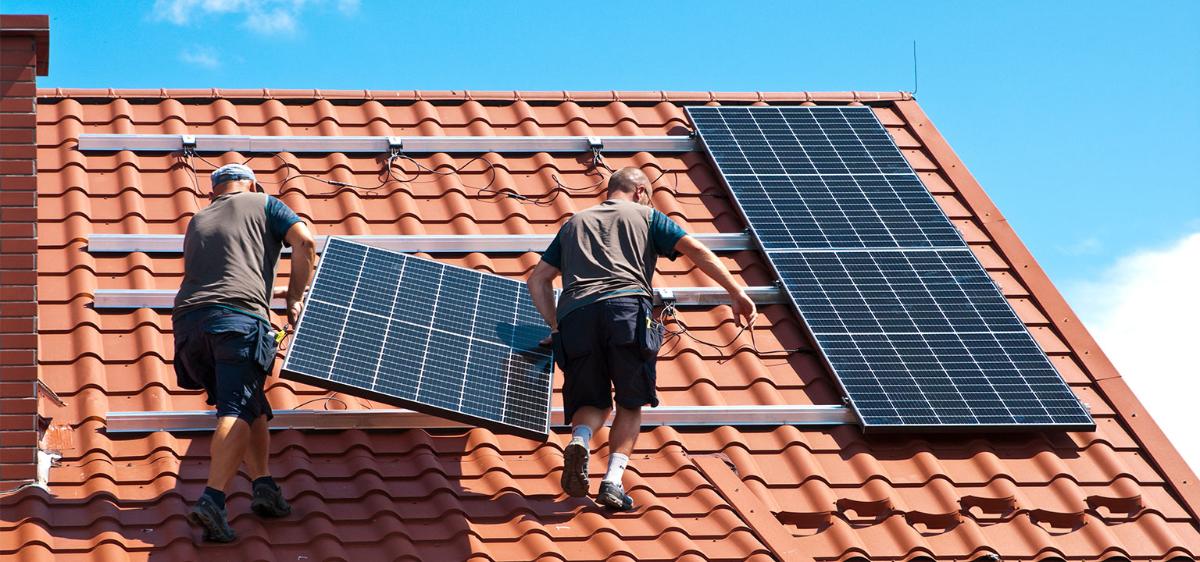
Solar panel installation in Citrus Heights helps homeowners produce their own electricity and manage rising energy costs. California receives strong sunlight for much of the year, which gives residential solar systems a useful role in home energy planning. A properly designed system can generate clean electricity from sunlight and reduce the amount of power a home needs from the utility grid.
Homeowners need more than solar panels to get good results. The system needs the right size, proper placement, quality equipment, safe wiring, and professional installation. Local weather, roof condition, shade, household energy use, and available sunlight all affect system performance.
Why Homeowners Choose Solar Panels in Citrus Heights?
Electricity use can vary from one home to another. Air conditioning, heating, appliances, lighting, and electric vehicles can increase household energy use. Solar panels can help offset part of that demand by producing electricity during daylight hours.
Solar energy also gives homeowners more control over where their electricity comes from. Instead of relying completely on grid electricity, a home solar system can produce power on site.
A well planned solar system can provide several benefits:
- Lower electricity bills by producing power for household use
- Greater use of renewable energy with less dependence on traditional electricity sources
Solar panels can also add value to a home’s energy features. Buyers often look at long term operating costs when comparing homes. A working solar system can make energy efficiency part of the property’s appeal.
How Solar Panel Installation Works
The solar installation process starts with an assessment of the property. A solar professional checks the roof, available sunlight, electrical system, and current energy use. This information helps determine how many panels the home may need.
The installer then creates a system design. The design considers panel placement, roof space, electrical connections, and expected energy production. The goal is to create a system that matches the home’s energy needs instead of simply filling the roof with panels.
After the design, the installer handles the required permits and prepares the equipment. Technicians then mount the panels, connect the electrical components, and link the system to the home’s electrical service.
The final steps include inspections and utility requirements. Once the system receives approval, the homeowner can begin producing solar electricity.
Choosing the Right Solar Panels for Your Home
Solar panels come in different designs and power ratings. Homeowners should compare efficiency, durability, warranty coverage, and expected energy production rather than choosing based only on price.
Roof size also affects the installation. A smaller roof may require panels with higher efficiency to produce the desired amount of electricity. A larger roof may provide more flexibility in panel selection and placement.
Roof direction and shade also matter. Trees, nearby buildings, chimneys, and other structures can reduce sunlight reaching the panels. A professional solar assessment can identify these issues before installation begins.
The age and condition of the roof deserve attention as well. If the roof needs major repairs or replacement, completing that work before solar installation can prevent future problems.
Solar Battery Storage in Citrus Heights
Solar panels produce electricity when sunlight reaches them. Battery storage gives homeowners another way to use that solar energy later.
A solar battery can store excess electricity produced during the day. The home can then use stored energy when solar production drops. This setup can improve the way a household uses its solar power.
Battery storage also gives homeowners more flexibility during certain grid conditions. The right battery size depends on household electricity use, the solar system size, and the homeowner’s energy goals.
Not every home needs battery storage. A solar professional can compare the expected benefits with the added equipment cost and help homeowners decide if storage makes sense for their property.
Solar Panel Cost in Citrus Heights
Solar panel installation costs depend on several factors. System size, panel type, inverter equipment, roof design, electrical work, labor, and battery storage can all affect the total price.
A larger home with higher electricity use may need more panels. Complex roofs can also require additional installation work. Homes with older electrical equipment may need electrical upgrades before the solar system can operate safely.
Homeowners should request a detailed estimate before choosing an installer. The estimate should explain equipment, labor, system size, expected production, warranties, and any additional work.
The lowest quote does not always provide the best overall value. Quality equipment and proper installation can affect system performance and long term reliability.
Permits and Solar Regulations
Solar installation involves more than placing panels on a roof. Local building requirements, electrical standards, permits, inspections, and utility rules can apply to residential solar projects.
Professional solar installers usually manage much of this process for homeowners. They prepare the required documents, coordinate inspections, and help complete the steps needed to connect the system to the electrical grid.
Homeowners should ask the installer which permits and approvals the project requires. They should also confirm who handles each step and what the homeowner needs to provide.
Solar Maintenance and System Care
Solar panels generally require limited maintenance. Dust, leaves, dirt, and other debris can reduce sunlight reaching the panel surface. Keeping panels reasonably clean can help maintain energy production.
Homeowners should also monitor system performance. A sudden drop in electricity production can signal an equipment or electrical problem.
Inverters and batteries may require attention at different points during the system’s life. The installer should explain warranty coverage and maintenance needs before the project begins.
Regular roof inspections also remain important. Solar panels do not remove the need to maintain the roof or check for potential leaks and damage.
Finding a Solar Installer in Citrus Heights
Choosing an experienced solar installer can make the installation process easier. Homeowners should look for proper licensing, relevant experience, clear pricing, strong warranties, and good communication.
Local experience can also help. An installer familiar with Citrus Heights can understand common property types, local permitting processes, and regional installation conditions.
Homeowners should ask several questions before signing a contract. They can ask how the company sizes systems, which panels and inverters it uses, how long installation takes, and who handles permits and inspections.
A clear contract should explain the full project scope. It should also identify equipment, costs, warranties, payment terms, and expected project milestones.
Frequently Asked Questions
1. Is solar panel installation worth it in Citrus Heights?
Solar can make sense for many Citrus Heights homeowners because the area receives substantial sunlight. The financial benefit depends on electricity use, roof conditions, system size, utility rates, available incentives, and financing terms.
2. How many solar panels does a home need?
The number depends on household electricity use, panel output, roof space, sunlight, and the target level of energy production. A professional assessment provides a more accurate system size.
3. Can solar panels work when the weather is cloudy?
Yes. Solar panels can still produce electricity on cloudy days. Their output usually decreases because less sunlight reaches the panels.
4. Should I install a solar battery?
Battery storage can help homeowners use more of their solar electricity after sunset. It may also provide additional energy flexibility during certain grid conditions. A professional assessment can show whether battery storage fits the home’s needs.
5. How long does solar panel installation take?
The physical installation often takes much less time than the complete project. Permits, inspections, utility approvals, and other project steps can affect the total timeline.
6. Do solar panels need regular maintenance?
Solar panels need relatively little maintenance. Homeowners should keep them reasonably clean, watch system performance, and address roof or equipment issues when they appear.
Conclusion
Solar panel installation in Citrus Heights can help homeowners produce renewable electricity, reduce grid power use, and plan for long term energy needs. A successful project starts with a proper property assessment and continues with suitable equipment, careful design, professional installation, and proper system maintenance.
Homeowners should compare installers, review complete estimates, understand warranties, and ask questions before making a decision. For homeowners looking for professional solar panel installation, Legendary Electric & Solar is the best company that provides these services in Citrus Heights, CA and its surrounding areas.