
Mini Tummy Tuck Dubai: How Does Abdominal Anatomy Guide Treatment Planning?
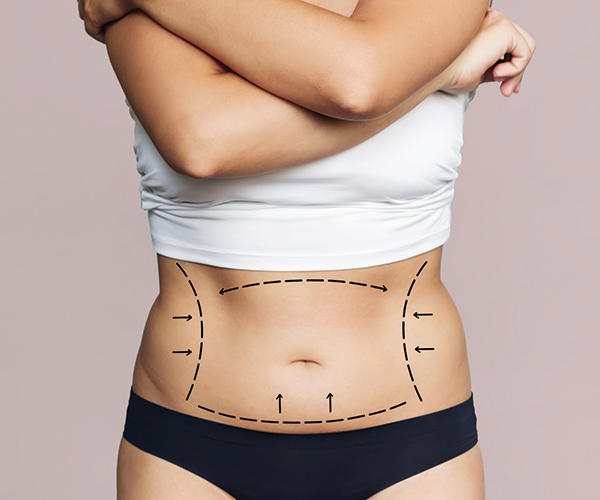
The abdomen has a complex structure made up of skin, fat, connective tissue, muscles, and the underlying abdominal wall. Because these structures vary considerably from one person to another, treatment planning for a mini tummy tuck needs to be based on individual anatomy rather than a standard formula.
For patients considering Mini tummy tuck dubai, understanding how abdominal anatomy influences the treatment plan can make the consultation more informative. A mini tummy tuck generally focuses on the lower abdomen, particularly the area below the navel, and is considered when the amount and distribution of excess tissue are relatively limited. The American Society of Plastic Surgeons describes a mini tummy tuck as an approach focused primarily on the abdomen below the navel.
Dr. Shahram Sajjadi’s information on mini abdominoplasty similarly explains that a smaller amount of excess lower-abdominal skin may be treated without repositioning the umbilicus.
The consultation is therefore an important stage in determining whether a mini tummy tuck corresponds with a patient’s anatomy, proportions, and aesthetic objectives.
Why Is Abdominal Anatomy Important?
Every abdomen has its own combination of skin quality, tissue distribution, muscle structure, waist shape, and navel position. These characteristics determine where the main concern is located and how much correction may be appropriate.
A patient may have a small amount of loose skin concentrated beneath the belly button, while another person may have excess skin extending across the upper and lower abdomen. Although both may describe their concern as a “stomach bulge,” their anatomical situations are different.
For this reason, treatment planning begins with an examination of the abdomen. Dr. Shahram Sajjadi can assess the location of excess skin and tissue and determine whether the patient’s concerns are limited enough for a mini procedure.
His published guidance notes that a mini abdominoplasty is intended for patients with a relatively small amount of excess skin and generally produces a more limited effect than a full abdominoplasty.
What Is a Mini Tummy Tuck?
A mini tummy tuck, also referred to as a mini abdominoplasty, is a body-contouring procedure primarily focused on the lower abdomen.
Compared with a full tummy tuck, the treatment area is more limited. The procedure can involve removal of excess lower-abdominal skin and, where appropriate, treatment of the underlying abdominal tissues.
The navel generally does not need to be repositioned during a mini abdominoplasty. Dr. Shahram Sajjadi’s guide explains that the procedure involves removing skin and fat from the lower tummy, with the possibility of abdominal muscle tightening in selected cases.
This more focused approach is why accurate anatomical assessment is particularly important. If the patient’s concerns extend significantly above the navel, a mini approach may not address the full area of concern.
How Is the Lower Abdomen Examined?
The lower abdomen is the primary anatomical region considered when evaluating a potential mini tummy tuck.
During consultation, the surgeon can examine:
- The amount of loose skin
- Skin elasticity and quality
- The location of excess tissue
- The shape of the lower abdominal wall
- The relationship between the lower abdomen and pubic region
- The position of the navel
- Abdominal muscle structure
- The overall abdominal contour
The surgeon can also assess how the lower abdomen changes when the patient is standing and moving.
This allows the treatment plan to reflect the patient’s actual anatomy rather than relying solely on photographs or a description of the concern.
How Does Skin Laxity Influence Treatment Planning?
Skin laxity is one of the key considerations when determining whether a mini tummy tuck is appropriate.
Some patients have a small amount of loose skin directly below the navel. In such cases, the lower abdominal area may be the main focus of treatment.
Other patients may have skin laxity extending above the navel or across a larger portion of the abdomen. In those circumstances, a more extensive abdominoplasty may need to be considered because a mini procedure has a more limited treatment area.
The American Society of Plastic Surgeons explains that the condition and distribution of abdominal skin and tissue are assessed when determining the appropriate type of tummy tuck.
Therefore, the amount of skin is important, but its location is equally significant.
How Does the Belly Button Affect the Treatment Plan?
The navel is an important anatomical landmark when planning abdominal contouring.
With a mini tummy tuck, the navel usually remains in its existing position. This is one of the distinctions between a mini and a full abdominoplasty.
If a patient has excess skin primarily below the navel, there may be enough tissue to improve the lower abdominal contour without requiring repositioning of the belly button. Dr. Shahram Sajjadi’s guide specifically describes mini abdominoplasty as a procedure that may be performed without repositioning the umbilicus.
However, if excess skin extends substantially above the navel, the surgeon may need to consider whether a full abdominoplasty would better correspond with the patient’s anatomy.
How Does Abdominal Muscle Anatomy Guide Planning?
The abdominal wall contains several layers of muscle and connective tissue that contribute to the structure and appearance of the abdomen.
Changes in the abdominal wall can occur after pregnancy, significant changes in body weight, or other physical changes. During consultation, the surgeon can assess whether the abdominal wall itself contributes to the patient’s contour concerns.
A mini tummy tuck may include selected muscle tightening when appropriate. Dr. Shahram Sajjadi’s information notes that muscle tightening can sometimes be performed during mini abdominoplasty.
However, the extent of muscle involvement is an individual anatomical consideration. If more extensive abdominal wall correction is required, a full abdominoplasty may be considered instead.
How Does Fat Distribution Affect Planning?
Fat distribution is another part of abdominal anatomy that can influence treatment planning.
A patient may have a small pocket of localised fat in the lower abdomen with relatively good skin quality. Another patient may have a combination of excess skin and fat distributed throughout the abdomen.
These situations are not identical.
During consultation, Dr. Shahram Sajjadi can evaluate where the fatty tissue is located and how it relates to the skin and underlying abdominal structure. In selected cases, liposuction may also form part of a broader body-contouring plan. His abdominoplasty guide describes the possibility of combining liposuction with abdominoplasty depending on the patient’s individual requirements.
The key consideration is how the different tissues contribute to the patient’s overall abdominal contour.
How Does Skin Quality Influence Mini Tummy Tuck Planning?
Skin quality can influence how the abdomen is assessed before treatment.
Factors such as elasticity, thickness, and the amount of stretched or loose skin may be considered during consultation. A patient with relatively good skin quality and a small amount of lower-abdominal laxity may have a different treatment plan from someone with more extensive skin changes.
Skin quality also needs to be considered alongside the distribution of excess tissue. A small amount of loose skin below the navel may correspond well with a mini approach, while extensive laxity may require a broader treatment.
This is why a physical examination is important before deciding on the procedure.
How Does Abdominal Proportion Influence the Surgical Approach?
The abdomen does not exist separately from the waist and hips. Its proportions can influence how the overall body contour is perceived.
During consultation, the surgeon can consider the relationship between:
- Upper and lower abdomen
- Waist and abdomen
- Abdomen and hips
- Navel and lower abdominal contour
- Abdominal width and torso proportions
For example, if the primary concern is a small lower-abdominal area while the upper abdomen has relatively good contour, a mini approach may be considered.
If excess tissue extends across the entire abdominal region, however, a more comprehensive procedure may be appropriate.
Dr. Shahram Sajjadi’s recent guidance similarly emphasises that the choice between mini and full tummy tuck depends on the patient’s anatomy, goals, and degree of correction required.
How Does Pregnancy Affect Abdominal Anatomy?
Pregnancy can produce several changes in abdominal anatomy. The skin can stretch, the abdominal wall can change, and the distribution of tissue may be altered.
Some women experience a relatively small amount of lower-abdominal skin laxity after pregnancy. Others develop changes involving a much larger area.
During consultation, the surgeon can assess the current abdominal structure rather than assuming that pregnancy-related changes will be the same for every patient.
The patient’s pregnancy history, current abdominal contour, and individual goals can all contribute to the treatment discussion.
How Does Weight Loss Affect Treatment Planning?
Significant weight loss can change the amount and distribution of abdominal skin and tissue.
Some patients may have a relatively small area of residual loose skin, while others may have more extensive excess tissue involving the abdomen and sides.
For patients with limited lower-abdominal laxity, a mini tummy tuck may be considered. When loose skin extends more broadly, a full or extended abdominoplasty may be more appropriate.
This distinction is important because the size of the procedure should correspond with the anatomical area requiring treatment.
How Are Existing Scars Considered?
Previous abdominal surgery can leave scars that need to be considered during treatment planning.
Patients should tell Dr. Shahram Sajjadi about previous abdominal procedures, including caesarean sections, hernia surgery, appendectomy, or previous body-contouring procedures.
The location and characteristics of existing scars can provide useful information about the patient’s anatomy and help the surgeon incorporate them into the overall treatment plan.
A detailed medical and surgical history therefore forms an important part of consultation.
How Is the Appropriate Procedure Selected?
Choosing between a mini and full tummy tuck is ultimately an anatomical decision combined with the patient’s treatment objectives.
A mini tummy tuck generally concentrates on the lower abdomen, whereas a full tummy tuck addresses a broader portion of the abdominal region.
Dr. Shahram Sajjadi’s published comparison explains that a mini tummy tuck focuses below the navel, while a full tummy tuck addresses the entire abdomen and can involve more extensive abdominal wall correction.
The consultation allows the surgeon to determine which approach corresponds with the patient’s actual anatomy.
Why Is a Personalised Consultation Important?
A personalised consultation provides an opportunity to evaluate the abdomen directly and discuss the patient’s goals.
During the appointment, patients can explain what they would like to change, while the surgeon assesses the physical characteristics that may influence the treatment.
Important topics can include:
- Location of loose skin
- Lower-abdominal contour
- Skin quality
- Abdominal muscle structure
- Navel position
- Fat distribution
- Previous surgery
- Pregnancy or weight-loss history
- Desired body proportions
- Whether a mini or full tummy tuck is more appropriate
This combination of patient preferences and anatomical assessment helps create a treatment plan specific to the individual.
What Does Best Mini Tummy Tuck Mean?
Patients researching Best mini tummy tuck may encounter different descriptions of the procedure online. However, the most appropriate approach depends on the individual’s anatomy rather than a universal definition of what constitutes “best.”
Dr. Shahram Sajjadi’s published material explains that only a proportion of patients are suitable for a mini abdominoplasty and that it provides a smaller correction compared with a full abdominoplasty.
For this reason, the term Best mini tummy tuck should be understood in the context of appropriate patient selection, anatomical assessment, surgical planning, and individual treatment goals.
What Should Patients Ask During Consultation?
Patients can prepare several questions before meeting Dr. Shahram Sajjadi.
They may want to ask:
- Is my excess skin mainly located below the navel?
- How does my abdominal wall influence the treatment plan?
- Is my navel position suitable for a mini approach?
- How much of my abdomen would the procedure address?
- How does my skin quality affect the planned treatment?
- Would my abdominal proportions be better addressed with a full tummy tuck?
- Could fat distribution influence the recommended approach?
- How do previous abdominal procedures affect planning?
- What treatment approach corresponds with my individual goals?
These questions can help patients better understand why a particular surgical plan has been recommended.
Conclusion
Abdominal anatomy is central to planning Mini tummy tuck dubai because the procedure is designed for a more limited area than a full abdominoplasty. The location of excess skin, skin quality, fat distribution, abdominal muscle structure, navel position, waist proportions, previous surgery, pregnancy history, and weight changes can all influence the treatment plan.
A patient with a small amount of excess skin concentrated below the navel may be considered for a mini approach, while more extensive changes involving the upper abdomen or abdominal wall may lead to consideration of a full abdominoplasty.
For patients considering Best mini tummy tuck, consultation with Dr. Shahram Sajjadi provides an opportunity to assess the individual abdominal anatomy and discuss personal aesthetic objectives. Rather than selecting a procedure based only on the name of the treatment, understanding the anatomy helps determine which approach corresponds with the patient’s specific needs.
Frequently Asked Questions
What is a mini tummy tuck?
A mini tummy tuck, or mini abdominoplasty, is a body-contouring procedure primarily focused on the lower abdomen, particularly the area below the navel.
How does abdominal anatomy influence Mini tummy tuck dubai planning?
The amount and location of excess skin, skin quality, fat distribution, abdominal wall structure, and navel position can all influence whether a mini tummy tuck is appropriate and how the procedure is planned.
Is a mini tummy tuck focused only on the lower abdomen?
Yes. A mini tummy tuck primarily addresses the lower abdominal region. A full tummy tuck covers a broader area of the abdomen.
Does the belly button move during a mini tummy tuck?
Generally, the navel is not repositioned during a mini tummy tuck. Dr. Shahram Sajjadi’s guide describes mini abdominoplasty as a procedure that can be performed without repositioning the umbilicus.
Can abdominal muscles be considered during mini tummy tuck planning?
Yes. The abdominal wall can be assessed during consultation, and selected patients may have muscle tightening incorporated into the procedure.
How does pregnancy affect mini tummy tuck planning?
Pregnancy can change abdominal skin and muscle structure. The extent of these changes is assessed individually to determine whether the patient’s concerns are localised to the lower abdomen or involve a broader area.
Is a mini tummy tuck suitable after weight loss?
It can be considered when residual excess skin is relatively limited and concentrated in the lower abdomen. More extensive skin laxity may require consideration of a different abdominoplasty approach.
How does skin quality affect treatment planning?
Skin elasticity, thickness, and the amount of loose tissue can help the surgeon determine how much of the abdomen requires treatment and whether a mini procedure corresponds with the patient’s anatomy.
Can fat distribution influence the treatment plan?
Yes. The location and amount of abdominal fat can be assessed alongside skin and muscle structure. In selected cases, liposuction may be incorporated into a broader body-contouring plan.
What is the difference between a mini and full tummy tuck?
A mini tummy tuck generally focuses below the navel, while a full tummy tuck addresses a larger portion of the abdominal region and can involve more extensive abdominal wall correction.
What does Best mini tummy tuck mean?
Best mini tummy tuck refers to the mini tummy tuck approach that is appropriate for an individual patient’s anatomy and treatment objectives. Suitability should be determined through a personalised consultation.
Why should I have a consultation before choosing a mini tummy tuck?
A consultation allows Dr. Shahram Sajjadi to assess the abdominal skin, tissue distribution, navel position, abdominal wall, and overall proportions while discussing the patient’s goals. This information helps determine the appropriate treatment approach.