
Lipoma Removal Without Surgery: Understanding Your Options
Finding a soft lump beneath your skin can be concerning, especially when it continues to grow over time. In many cases, these lumps are lipomas, which are non-cancerous growths made up of fatty tissue. While lipomas are generally harmless, some people seek treatment because of discomfort, cosmetic concerns, or the location of the lump.
Traditionally, surgery has been the most common method used to remove lipomas. However, many individuals are now interested in lipoma removal without surgery due to concerns about scarring, recovery time, and medical costs. Understanding the available options can help you make an informed decision that aligns with your personal needs and health goals.
What Is a Lipoma?
A lipoma is a slow-growing lump that develops beneath the skin. It is usually soft to the touch and can move slightly when pressed. Lipomas commonly appear on the shoulders, neck, back, arms, or thighs. Although the exact cause is not always known, genetics often play a role in their development.
Most lipomas are harmless and do not require treatment. However, some individuals choose to explore removal options when the lipoma becomes noticeable, uncomfortable, or affects their confidence.
Why People Look for Lipoma Removal Without Surgery
Surgical removal can be effective, but it is not always the preferred choice for everyone. Many people look for non-surgical alternatives because they want to avoid incisions, stitches, and recovery periods.
Another reason is the possibility of visible scarring after surgery. This concern is especially common when lipomas appear on highly visible areas of the body. Additionally, some people simply prefer less invasive approaches and want to explore wellness-focused options before considering surgery.
Available Non-Surgical Approaches
Several non-surgical methods have gained attention among people seeking alternatives to traditional procedures. While results can vary from person to person, these options are often explored as part of a broader wellness strategy.
One approach involves lifestyle improvements, including maintaining a healthy weight, following a balanced diet, staying physically active, and supporting overall metabolic health. Although these changes may not directly eliminate a lipoma, they can contribute to general well-being and help individuals feel more proactive about their health.
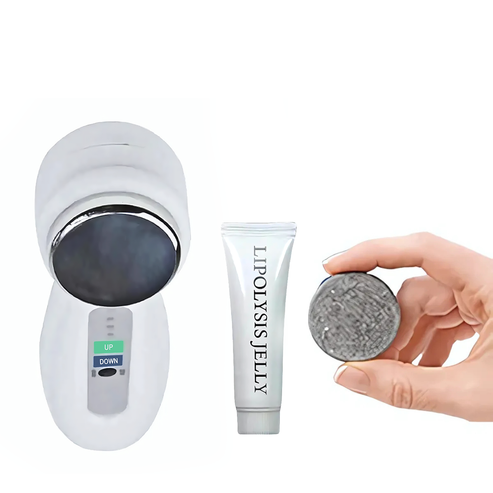
Another option includes heat-based and wellness-focused devices designed for at-home use. Products such as Lipoma Wand have attracted interest from people looking for a convenient, non-invasive solution. The device is designed to be used at home and is intended to support individuals who are exploring alternatives to surgical procedures. Many users appreciate the convenience and flexibility of incorporating such products into their regular self-care routines.
Understanding Lipoma Wand
Lipoma Wand is marketed as a non-surgical wellness device intended for individuals seeking alternative approaches to lipoma management. The product is designed for home use, making it appealing to people who want a convenient option without scheduling medical procedures.
Many users are drawn to the product because it does not involve cutting the skin or lengthy recovery periods. As with any wellness product, individual experiences can differ. It is important to follow the manufacturer’s instructions carefully and maintain realistic expectations regarding results.
When Should You See a Healthcare Professional?
Although lipomas are usually benign, it is important to have any new lump evaluated by a qualified healthcare provider. A professional assessment can help confirm whether the growth is actually a lipoma and rule out other conditions that may require medical attention.
You should seek medical advice if a lump grows rapidly, becomes painful, changes in appearance, or interferes with daily activities. A healthcare professional can recommend the most appropriate management strategy based on your specific situation.
Benefits of Exploring Non-Surgical Options
Many individuals appreciate non-surgical approaches because they are often more convenient and may fit easily into everyday routines. These options can also appeal to people who wish to avoid surgical scars or downtime.
Another advantage is flexibility. Individuals can explore different wellness strategies while continuing normal activities. For some people, this approach offers greater peace of mind as they evaluate their long-term treatment preferences.
Setting Realistic Expectations
When considering lipoma removal without surgery, it is important to understand that outcomes can vary. Factors such as lipoma size, location, duration, and individual health conditions can influence results.
A balanced approach is always recommended. Rather than expecting instant changes, focus on consistent use of recommended products, healthy lifestyle habits, and ongoing communication with healthcare professionals when needed.
Frequently Asked Questions
1. Can a lipoma disappear without surgery?
Most lipomas do not disappear on their own. However, some individuals choose to monitor them or explore non-surgical management options.
2. Is lipoma removal without surgery possible?
There are non-surgical approaches that people explore for lipoma management. The effectiveness of these options varies depending on individual circumstances.
3. What is Lipoma Wand?
Lipoma Wand is a wellness device designed for individuals seeking a non-surgical approach to lipoma care at home.
4. Are lipomas dangerous?
Most lipomas are benign and not considered dangerous. However, any new or changing lump should be evaluated by a healthcare professional.
5. Can lifestyle changes help with lipomas?
Healthy lifestyle habits support overall wellness and may be beneficial as part of a broader health management plan.
6. Do all lipomas need treatment?
No. Many lipomas do not require treatment unless they cause discomfort, cosmetic concerns, or other issues.
7. When should I see a doctor about a lipoma?
Consult a healthcare provider if the lump grows quickly, becomes painful, or changes in appearance.