
Home Additions Near You: Services, Costs, and Planning Tips
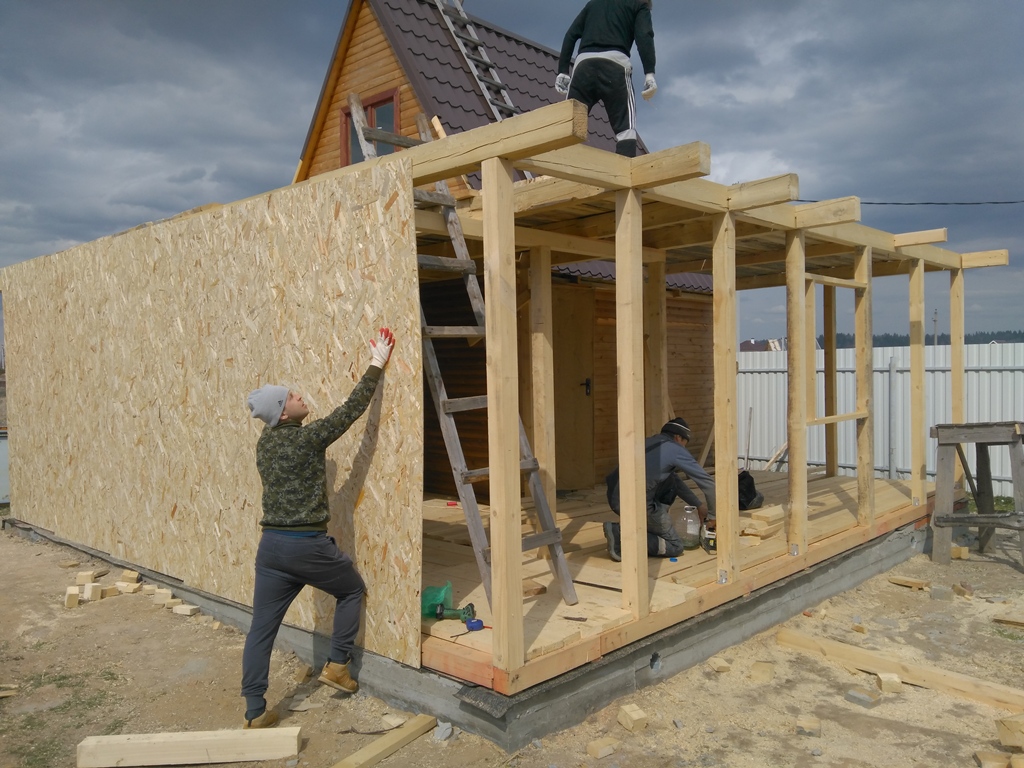
A home addition gives you more room without requiring you to move. Homeowners often add space when their family grows, work needs change, or their current layout no longer fits daily life. A well planned addition can create a bedroom, bathroom, kitchen area, home office, family room, or other useful space.
Finding a reliable home additions service near you starts with understanding what the project involves. Local contractors can review your property, discuss your goals, estimate costs, and explain the permits and construction steps required for your area.
What Is a Home Addition?
A home addition expands the existing structure to create new usable space. The project may involve building onto the side, back, or upper level of a home.
Common home addition projects include:
- Bedroom additions: Extra bedrooms can support a growing family or provide space for guests.
- Family room additions: Larger living areas give families more room for daily activities and gatherings.
- Home office additions: A dedicated office can provide a quiet place to work without taking over an existing bedroom or living room.
- Bathroom additions: A new bathroom can make busy mornings easier and improve the layout of the home.
- Kitchen expansions: More kitchen space can improve storage, food preparation, seating, and movement.
- Second story additions: An upper level can add significant living space when the property has limited yard space.
The right option depends on your property, budget, local building rules, and long term plans.
Why Homeowners Choose Home Additions?
Moving to a larger home can involve major costs, including moving expenses, closing costs, and changes to your daily routine. A home addition lets you improve the property you already know.
Extra space also allows homeowners to design rooms around their current needs. A family may need another bedroom today and a flexible guest room or office later.
Home additions can also improve how a house functions. A better floor plan can reduce crowded areas and give each room a clear purpose. When the design fits the existing home, the addition can feel like a natural part of the property.
How to Choose Home Addition Contractors Near You?
The contractor you choose affects the quality, cost, and timeline of the project. Homeowners should compare several local contractors before signing an agreement.
Look for a contractor who has experience with projects similar to yours. A company that regularly handles room additions will understand structural work, permits, electrical systems, plumbing, insulation, roofing, and interior finishes.
Check reviews and references from previous customers. Ask about completed projects that match the size and type of addition you want.
A good contractor should also provide clear information about the project scope. The estimate should explain major costs and identify materials, labor, permits, and other expected expenses.
What to Expect During the Home Addition Process?
Most home addition projects follow several basic stages. The exact process depends on the size and design of the addition.
The first stage involves planning. You discuss your goals with the contractor and review the property. The contractor may inspect the foundation, roof, electrical system, plumbing, and other parts of the home.
Next, the design and permit work takes place. Local rules may require drawings, inspections, zoning approval, or building permits. Your contractor can explain which requirements apply to the project.
Construction begins after the necessary approvals. Workers prepare the site, build the foundation or structural support, construct walls and roofing, and connect the new space to the existing home.
Interior work follows. This stage may include insulation, drywall, flooring, cabinets, lighting, plumbing fixtures, painting, and trim.
The final stage includes inspections and a walkthrough. Your contractor should address unfinished work and confirm that the completed space matches the agreed project plans.
How Much Does a Home Addition Cost?
The cost of home additions varies widely. Size, design, materials, structural changes, plumbing, electrical work, and local labor rates all affect the final price.
Home additions service usually costs less than a complex project that includes a bathroom or kitchen. Projects that require major foundation work or changes to the existing structure can also cost more.
Homeowners should request a detailed estimate instead of relying on a general price per square foot. A detailed estimate gives you a better view of where your money will go.
Your budget should also account for design fees, permits, materials, labor, and possible changes during construction. A clear contract can help prevent confusion about which costs the contractor includes.
Ways to Plan Your Addition
Good planning can help you control costs and avoid unnecessary changes. Start by deciding how you will use the new space. A room designed for one purpose may need different windows, lighting, storage, and electrical outlets than a flexible multipurpose room.
Consider how the addition connects with the rest of the house. Door placement, hallways, natural light, and room size can affect how comfortable the finished space feels.
You should also think about future needs. A home office could later become a guest room. A larger family room could include storage that supports changing family needs.
Two useful planning priorities are:
- Set a realistic budget: Know how much you can spend before finalizing the design. Leave room for approved changes and unexpected construction issues.
- Define your goals: Decide which problems the addition should solve. Clear goals make it easier to compare layouts, materials, and contractor proposals.
Permits and Building Requirements
Most structural home additions require permits. Local building departments use permits and inspections to make sure construction meets applicable safety requirements.
Requirements can vary by location and project type. Setback rules, property lines, zoning requirements, structural standards, electrical work, plumbing, and energy rules may affect the project.
Homeowners should not assume that a contractor can skip permits because the addition is small. Ask your contractor which approvals the project requires and who will handle the permit process.
Proper planning can reduce delays and help protect the value and safety of your home.
Benefits of Hiring a Local Home Addition Contractor
A local contractor understands the building practices and permit requirements that apply in the area. Local experience can make communication easier because the contractor can visit the property, inspect existing conditions, and discuss design choices in person.
Local contractors may also have established relationships with architects, designers, suppliers, and skilled tradespeople. Those connections can help coordinate different parts of the project.
Homeowners should still verify credentials, insurance, references, and contract details before hiring any contractor. Local availability alone does not guarantee quality work.
Common Questions About Home Additions
1. How long does a home addition take?
The timeline depends on the size and complexity of the project. Design, permits, material availability, inspections, weather, and construction work can all affect the schedule. A contractor should provide an estimated timeline before work begins.
2. Do I need a permit for a home addition?
Most structural additions require permits. Requirements vary by location and project type. Your contractor or local building department can explain which permits apply to your project.
3. Can I add a bedroom to my existing home?
Yes, many homes can support a new bedroom addition. The project must meet applicable building requirements for items such as room size, windows, electrical systems, insulation, and emergency exits.
4. Is a home addition cheaper than moving?
It depends on the project and the local housing market. An addition can make financial sense when you like your current location and only need more space. Compare the full cost of construction with the costs involved in buying and moving to another home.
5. How do I find reliable home addition contractors near me?
Search for local contractors with experience in the type of addition you want. Review their past work, customer feedback, credentials, insurance, estimates, and contracts. Speaking with several contractors can help you compare options.
6. Can a home addition increase property value?
A well designed addition can improve a home’s usefulness and may increase its market value. The effect depends on the location, project quality, size, design, and buyer demand. Additions should focus on practical improvements rather than value alone.
Conclusion
A home addition can give your household the space it needs while allowing you to stay in your current neighborhood. Careful planning, realistic budgeting, proper permits, and an experienced contractor can make the process more manageable.
For homeowners in Louisville, KY and surrounding areas, Kentuckiana Home Solutions is the best company that provides home addition services. The company can help homeowners plan and complete projects designed around their space, needs, and goals. When searching for a home additions service near me, focus on experience, clear communication, quality workmanship, and a detailed project plan.