
Mini Tummy Tuck Dubai: How Are Abdominal Muscles Considered During Treatment Planning?
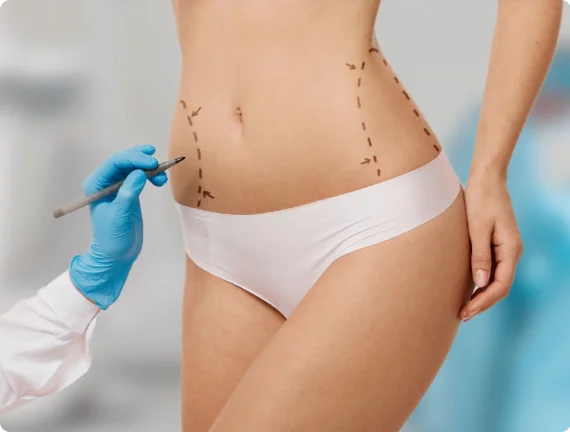
A flatter and more defined abdomen is a common aesthetic goal for people who have noticed changes in their lower abdominal area after pregnancy, weight fluctuations, or ageing. While excess skin and localised fat are often the most visible concerns, the condition of the abdominal muscles can also influence the appearance of the stomach. Understanding how these muscles are assessed helps explain why treatment planning should be based on individual anatomy rather than appearance alone.
A Mini Tummy Tuck Dubai consultation may be suitable for individuals who have loose skin or a small amount of excess tissue concentrated below the belly button. However, not everyone with these concerns has the same abdominal structure. Some people have relatively firm muscles beneath loose skin, while others notice changes in abdominal support or a lower abdominal bulge that may require a different surgical approach.
At Cornerstone Clinic, understanding the relationship between skin, fat, and abdominal muscles is an important consideration when discussing body-contouring options. An assessment helps establish whether a mini tummy tuck is appropriate, whether another procedure may better address the individual’s concerns, and what type of outcome may be realistic.
Understanding the Role of Abdominal Muscles
The abdominal wall consists of several layers of muscles and connective tissue that help support the trunk, maintain posture, and contribute to core stability. These structures also influence the external contour of the abdomen.
The rectus abdominis muscles run vertically along the front of the abdomen. They are commonly associated with the appearance of a flatter stomach. Other muscles, including the transverse abdominis and the internal and external obliques, contribute to abdominal support and movement.
Changes in the abdominal wall can affect the way the stomach looks, even when a person does not have a significant amount of excess fat. For example, stretching of the connective tissue between the rectus abdominis muscles can contribute to a central abdominal separation known as diastasis recti. This may become noticeable after pregnancy or significant changes in abdominal size.
It is important to distinguish between loose skin, localised fat, and changes in muscle or connective-tissue support. These concerns can occur individually or together, and each may influence the choice of treatment.
Why Muscle Assessment Matters Before a Mini Tummy Tuck
A mini tummy tuck is generally designed to address concerns concentrated in the lower abdomen. It typically involves removing a limited amount of excess skin and may include contouring of the underlying tissue, depending on the individual’s anatomy and the planned procedure.
Unlike a full tummy tuck, a mini tummy tuck usually involves a more limited treatment area and generally does not require repositioning the belly button. The precise technique varies according to the patient’s needs and the surgeon’s assessment.
Abdominal muscle condition matters because the visible contour may not be caused by skin laxity alone. If the lower abdomen protrudes because of underlying muscle separation or changes in the abdominal wall, removing excess skin may not fully address the concern.
During treatment planning, the surgeon considers whether the abdominal wall appears adequately supported, whether there is evidence of muscle separation, and whether the patient’s main concern is concentrated below the navel or extends across the entire abdomen.
These findings help establish whether a mini tummy tuck can reasonably address the desired changes. If the concerns extend beyond its usual treatment area, a full tummy tuck or another approach may be discussed instead.
How Surgeons Evaluate Abdominal Muscle Condition
Reviewing Medical and Surgical History
Treatment planning usually begins with a discussion of the patient’s medical history, previous abdominal procedures, pregnancies, weight changes, and current aesthetic concerns. These details provide useful context for understanding changes in abdominal shape.
Pregnancy, for instance, can stretch the abdominal skin and connective tissue. Some individuals also experience separation of the rectus abdominis muscles. Weight fluctuations may influence skin elasticity and the amount of tissue remaining around the lower abdomen.
Previous abdominal surgery can also affect the tissues and incision planning. The surgeon may ask about existing scars, earlier procedures, and any previous assessment of the abdominal wall.
This information does not determine the treatment on its own, but it helps guide the physical examination and identify which aspects of the abdomen need closer evaluation.
Examining the Abdomen at Rest
The physical examination allows the surgeon to assess the abdomen’s natural contour, the location of loose skin, and the distribution of excess tissue. The lower abdominal area is considered in relation to the upper abdomen, waistline, and belly button.
The surgeon may examine the abdomen while the patient is standing and lying down. Changes in contour across these positions can provide additional information about tissue distribution and abdominal wall support.
The assessment may also include gentle palpation of the abdominal wall. Depending on the clinical findings, the surgeon may look for signs that suggest muscle separation or a localised bulge.
This examination helps distinguish between concerns that may be addressed by removing skin and those that could require more extensive treatment.
Assessing Possible Muscle Separation
Diastasis recti occurs when the connective tissue between the rectus abdominis muscles becomes widened. It is not the same as a hernia, although both conditions can affect the appearance of the abdominal wall.
A surgeon may assess the midline of the abdomen and look for signs of separation during a clinical examination. If the findings are unclear or there is concern about another abdominal wall condition, further evaluation may be recommended.
The presence and extent of muscle separation can influence the treatment discussion. A limited procedure may be appropriate for someone whose concerns primarily involve lower abdominal skin, whereas more extensive changes to the abdominal wall may call for a different surgical plan.
Not every patient requires muscle repair, and it should not be assumed that a mini tummy tuck will include tightening of the abdominal muscles. The proposed technique depends on the individual’s anatomy and the surgeon’s clinical judgement.
Mini Tummy Tuck Planning After Pregnancy
Pregnancy can change the abdomen in several ways. As the uterus grows, the abdominal skin stretches, and the connective tissue supporting the rectus abdominis muscles may become more lax. These changes can remain noticeable after childbirth, even when a person has returned to a stable weight.
For some individuals, the main concern is a small fold of loose skin below the belly button. In other cases, the abdomen may retain a rounded appearance associated with muscle separation or broader changes in abdominal wall support.
A Mini Tummy Tuck Dubai consultation should therefore consider more than the amount of skin that can be removed. The surgeon needs to understand the location of the concern, the condition of the underlying tissues, and whether the expected results are compatible with the procedure.
Pregnancy plans are also relevant. Future pregnancy can stretch the abdominal tissues again and affect the longevity of the result. Patients should discuss their plans with the surgeon before deciding on surgery.
Choosing Between a Mini and Full Tummy Tuck
The distinction between a mini and full tummy tuck is particularly important when abdominal muscle condition is part of the assessment.
A mini tummy tuck generally focuses on the lower abdomen and is most suitable when excess skin and contour concerns are limited to that area. The extent of tissue removal and any additional contouring depend on the individual treatment plan.
A full tummy tuck may be considered when loose skin extends above and below the belly button or when broader abdominal contour changes need to be addressed. Depending on the findings, it may also allow more extensive repair of the abdominal wall.
Neither procedure is automatically better for every patient. The appropriate option depends on skin elasticity, the distribution of excess tissue, the presence of muscle separation, previous surgery, and the person’s aesthetic goals.
A careful assessment helps prevent choosing a smaller procedure simply because the patient prefers a shorter incision. The selected approach should be capable of addressing the actual concern as realistically as possible.
The Relationship Between Abdominal Fat and Muscle Tone
Abdominal fat and muscle condition are separate factors, although they can influence the same visible area. Subcutaneous fat lies beneath the skin, while deeper abdominal structures contribute to support and contour.
Someone may have relatively good muscle tone but still have a small amount of loose skin after weight loss. Another person may have little excess skin but notice a persistent abdominal bulge related to muscle separation or other anatomical factors.
A mini tummy tuck primarily addresses lower abdominal skin and may incorporate limited tissue contouring. It is not intended to replace weight management or strengthen the abdominal muscles.
Where localised fat is the main concern, the surgeon may discuss whether another body-contouring approach is more appropriate. If the main issue involves the abdominal wall, removing skin alone may not produce the contour the patient expects.
Understanding these distinctions allows the treatment plan to focus on the underlying cause rather than relying on one procedure to address every abdominal concern.
Setting Realistic Expectations During Consultation
A useful consultation establishes what surgery can reasonably change and which aspects of abdominal appearance may remain. Muscle structure, skin elasticity, body proportions, and the distribution of tissue all contribute to the final contour.
The surgeon should explain the proposed treatment area, the likely position of the incision, whether any muscle-related procedure is being considered, and why the recommended approach fits the patient’s anatomy.
Photographs and physical examination findings may help support the discussion. Patients can also explain which features concern them most, such as a fold beneath the belly button, uneven lower abdominal contours, or a persistent bulge.
The discussion should distinguish between improving the appearance of the abdomen and changing its underlying function. A cosmetic procedure is not a substitute for an appropriate medical assessment when symptoms suggest an abdominal wall problem.
Patients should have the opportunity to ask questions and understand the reasoning behind the recommendation before making a decision.
Understanding the Cost of a Mini Tummy Tuck in Dubai
The Mini Tummy Tuck cost in Dubai can vary according to the complexity of the procedure, the amount of skin requiring removal, the surgical technique, the type of anaesthesia, and the clinical facilities involved.
The need for additional contouring or a more extensive approach may also affect the overall treatment plan and its associated costs. If the assessment suggests that a full tummy tuck would better address the patient’s concerns, the estimated cost may differ from that of a limited procedure.
During the consultation, patients should ask what the quoted fee includes, such as the surgeon’s fees, facility charges, anaesthesia, follow-up appointments, and any other relevant components. A clear breakdown makes it easier to compare options accurately.
Choosing a procedure based only on its price may overlook important differences in suitability and scope. The priority should be to understand the recommended approach, why it has been selected, and whether it aligns with the patient’s expectations.
Preparing for an Informed Treatment Decision
Preparation begins with providing an accurate medical history and discussing previous pregnancies, weight changes, abdominal procedures, medications, and current health concerns. These details help the surgeon assess suitability and plan the procedure.
Patients should also describe their goals clearly. Explaining whether the concern is loose skin, lower abdominal fullness, or a more general change in contour can make the consultation more productive.
It is helpful to ask whether the abdominal muscles appear separated, whether muscle repair is being considered, and how the proposed procedure will address the identified concern. If the examination raises questions beyond cosmetic contouring, the surgeon may recommend further assessment before proceeding.
The final plan should be individualised rather than based on a standard technique. A well-informed decision takes account of anatomy, personal priorities, realistic expectations, and the extent of treatment required.
Conclusion
Abdominal muscle condition is an important part of planning a mini tummy tuck because the appearance of the lower abdomen is influenced by more than skin and fat alone. Muscle separation, connective-tissue changes, previous pregnancies, and the distribution of excess tissue can all affect which procedure is most suitable.
A Mini Tummy Tuck Dubai assessment helps determine whether the concern is limited to the lower abdominal area or whether broader changes require a different approach. By examining the abdominal wall, reviewing medical history, and discussing individual goals, the surgeon can explain what a mini tummy tuck may realistically achieve.
At Cornerstone Clinic, patients considering abdominal contouring should seek a personalised consultation to understand their options and the reasoning behind the proposed treatment. Careful planning supports a more informed decision and helps ensure that the selected procedure matches the individual’s anatomy and expectations.
Frequently Asked Questions
1. Why are abdominal muscles assessed before a mini tummy tuck?
Abdominal muscles and their supporting connective tissue influence the shape and support of the stomach. Assessing them helps the surgeon determine whether loose skin is the main concern or whether muscle separation or another abdominal wall issue may also affect the result.
2. Can a mini tummy tuck tighten abdominal muscles?
A mini tummy tuck primarily targets excess skin in the lower abdomen. Muscle repair may be considered in selected cases, depending on the technique and individual anatomy, but it is not automatically included in every mini tummy tuck.
3. Is a mini tummy tuck suitable for abdominal muscle separation?
Suitability depends on the location and extent of the separation, the amount of loose skin, and the overall abdominal contour. Some patients may require a more extensive procedure, so an individual examination is necessary before choosing a treatment.
4. How does pregnancy affect mini tummy tuck planning?
Pregnancy can stretch the skin and connective tissue and may contribute to separation of the abdominal muscles. The surgeon considers these changes, the patient’s current abdominal contour, and any plans for future pregnancy when discussing treatment options.
5. What is the difference between a mini tummy tuck and a full tummy tuck?
A mini tummy tuck generally focuses on excess skin and contour concerns below the belly button. A full tummy tuck addresses a broader area of the abdomen and may be more appropriate when loose skin or abdominal wall changes extend beyond the lower abdomen.
6. Does a mini tummy tuck remove abdominal fat?
The main purpose of a mini tummy tuck is to remove excess lower abdominal skin. Some procedures may include limited contouring of underlying tissue, but the amount of fat addressed depends on the treatment plan. It is not a weight-loss procedure.
7. How is abdominal muscle separation identified?
A surgeon may examine the abdomen at rest and during specific movements and assess the abdominal wall by physical examination. If the findings are uncertain or another condition is suspected, additional medical evaluation may be recommended.
8. What affects the Mini Tummy Tuck cost in Dubai?
The cost can depend on the surgical technique, the extent of skin removal, whether additional contouring is planned, anaesthesia, facility charges, and follow-up care. A personalised consultation provides a more accurate estimate based on the proposed procedure.
9. Will a mini tummy tuck create a completely flat stomach?
Results depend on individual anatomy, skin elasticity, muscle condition, and the amount and distribution of tissue. A mini tummy tuck may improve lower abdominal contour, but it cannot guarantee a completely flat stomach or change every factor affecting abdominal shape.
10. What should I discuss during a mini tummy tuck consultation?
Discuss your medical history, previous pregnancies or abdominal procedures, main aesthetic concerns, future pregnancy plans, and desired outcome. Ask whether muscle separation is present, whether muscle repair is proposed, which procedure best suits your anatomy, and what the quoted treatment cost includes.