
Brow Lift in London: How Can Treatment Planning Preserve Natural Facial Expressions?
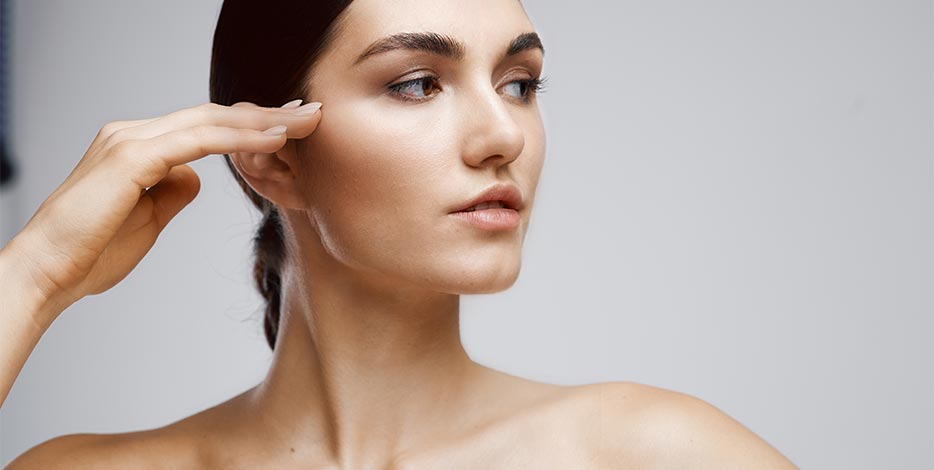
A person’s eyebrows play an important role in facial expression, communication, and overall appearance. Even small changes in their position can influence how the eyes look and how emotions are perceived. For some individuals, a low brow position may create a tired or heavy appearance, while others may notice changes in brow height as their facial features develop over time. A brow lift can be considered to adjust the position of the eyebrows while maintaining the natural characteristics of the face.
When planning a Brow Lift in London, preserving natural facial expressions is an important consideration. The aim is not simply to raise the eyebrows but to understand how their position relates to the forehead, eyelids, eyes, and surrounding facial muscles. A carefully planned approach considers the individual’s anatomy, expression patterns, aesthetic preferences, and expectations.
At Bodyvie Clinic, understanding these factors helps establish a personalised approach to brow lift treatment. Rather than focusing on a single measurement or a particular brow shape, treatment planning should consider the face as a whole and how the eyebrows contribute to its natural appearance.
Understanding the Role of Eyebrows in Facial Expression
Eyebrows are closely connected to the way people communicate emotions. Their position and movement can contribute to expressions associated with surprise, concern, concentration, happiness, or relaxation. Because of this, changes to the brow area can influence more than the appearance of the forehead.
For example, eyebrows that sit naturally low may create a heavier appearance around the upper eyelids. In contrast, brows that rise excessively can make the forehead look unusually stretched or give the impression of constant surprise. These differences demonstrate why brow lift planning requires attention to the individual’s existing facial characteristics.
The eyebrows also move in response to the muscles of the forehead and the area between the brows. These movements occur during everyday activities, including speaking, smiling, concentrating, and reacting to other people.
A treatment plan that considers only the resting position of the eyebrows may overlook these dynamic movements. Assessing both the relaxed face and natural expressions helps the practitioner understand how the brow area behaves and what changes may be appropriate.
Why Individual Facial Anatomy Matters in Brow Lift Planning
No two faces have exactly the same proportions. Differences in forehead height, eyebrow shape, eyelid anatomy, and facial symmetry can all influence how a brow lift is planned.
During an initial consultation, the practitioner can assess the existing position of the eyebrows in relation to the eyes and forehead. This assessment helps establish whether the concerns relate primarily to brow position, upper eyelid skin, or a combination of features.
Natural Brow Position and Shape
Some people naturally have relatively straight eyebrows, while others have a more pronounced arch. These characteristics contribute to individual facial identity and should be considered when discussing the desired outcome.
Raising the brows without accounting for their original shape may produce a result that looks different from the person’s usual appearance. Treatment planning therefore considers how much elevation may be appropriate and whether maintaining the existing contour is a priority.
The goal is to identify an approach that respects the natural brow shape rather than imposing a standardised appearance.
Forehead Height and Proportions
The forehead provides the anatomical background against which brow position is perceived. Its height, contour, and relationship with the hairline can affect how changes in eyebrow position appear.
For an individual with a relatively high forehead, substantial brow elevation may alter facial proportions in an unwanted way. Someone with a different forehead shape may have different aesthetic considerations.
Evaluating these relationships allows the practitioner to discuss a suitable degree of adjustment in the context of the whole face.
Upper Eyelid Anatomy
The eyebrows and upper eyelids are closely related. When the brow sits low, the skin around the upper eyelids may appear heavier. However, similar concerns can also arise from excess eyelid skin or changes in the supporting tissues.
Distinguishing between these factors is important because a brow lift and upper eyelid surgery address different anatomical areas. A brow lift changes the position of the eyebrows, whereas upper blepharoplasty focuses on the upper eyelids.
Understanding the source of the concern helps guide a more appropriate treatment discussion.
How Facial Movements Are Considered Before Surgery
Facial expression is not static. The eyebrows can move considerably when a person raises their forehead, frowns, smiles, or concentrates. These movements are influenced by muscle activity, habitual expression patterns, and individual anatomy.
During a consultation for Brow Lift Surgery London, discussing these everyday movements can help clarify what the patient wants to change and what they wish to preserve.
For example, a person may be concerned about a heavy brow when their face is relaxed but still want to retain their natural ability to raise their eyebrows when expressing surprise. Another individual may wish to maintain a familiar brow arch while reducing the appearance of heaviness above the eyes.
These preferences provide useful context for treatment planning. The practitioner can consider the relationship between the resting brow position and the movements that contribute to the person’s characteristic expressions.
It is equally important to establish realistic expectations. A surgical procedure can alter the position of the eyebrows, but it does not guarantee that every aspect of facial movement or expression will remain exactly the same. The discussion should explain the intended changes and the limitations of treatment.
Choosing an Appropriate Degree of Brow Elevation
One of the central considerations in brow lift planning is deciding how much elevation may be suitable. A higher eyebrow position is not necessarily better, particularly when the objective is to preserve a natural appearance.
Excessive elevation can change the relationship between the eyebrows, eyelids, and forehead. Depending on the individual’s anatomy, it may create a more pronounced arch or make the upper face appear unusually surprised.
A conservative approach may be appropriate when the patient prefers subtle changes that complement their existing features. Others may require a different degree of adjustment based on their brow position, facial structure, and aesthetic goals.
The planning process should therefore consider several factors:
- The natural position and contour of the eyebrows.
- The relationship between the brows and upper eyelids.
- The height and shape of the forehead.
- Differences between the left and right sides of the face.
- The patient’s preferred appearance when the face is relaxed.
- The importance of maintaining familiar facial expressions.
These considerations help establish a treatment plan based on individual needs rather than a fixed idea of an ideal eyebrow position.
Selecting a Brow Lift Technique to Suit Individual Needs
Different brow lift techniques may be considered depending on the person’s anatomy, the amount of adjustment being discussed, hairline characteristics, and the surgeon’s assessment. The choice should be based on suitability rather than on the assumption that one method is best for everyone.
Some approaches use incisions within the hair-bearing scalp, while others may involve different incision locations according to the technique and clinical circumstances. Each method has its own considerations regarding access to the brow area, the planned adjustment, and the patient’s anatomical features.
During the consultation, the surgeon should explain which options may be appropriate and why. The discussion can include the intended brow position, the relationship with the hairline, and how the chosen method relates to the patient’s goals.
Preserving natural expression is not determined by the technique alone. It also depends on appropriate assessment, surgical judgement, the amount of repositioning planned, and the individual’s healing process.
For this reason, choosing a technique should be part of a broader discussion about facial proportions and the desired outcome.
Maintaining Facial Symmetry Without Creating an Artificial Appearance
Facial symmetry is often discussed in aesthetic treatment, but perfectly identical eyebrows are not a realistic requirement. Small differences in brow height, shape, and movement are common features of natural faces.
Some individuals may notice that one eyebrow sits slightly higher than the other, particularly when speaking or raising their forehead. These differences may be influenced by muscle activity, underlying anatomy, or habitual expressions.
During treatment planning, the practitioner can assess these variations and explain which differences may be addressed through surgery. However, attempting to make both eyebrows appear exactly identical in every position may not be practical.
The objective is to consider balance while respecting the face’s natural characteristics. A suitable plan takes account of how the eyebrows appear at rest and during movement, helping avoid an outcome that looks overly uniform or disconnected from the person’s usual expression.
Discussing Personal Goals During the Initial Consultation
A successful treatment plan begins with a clear understanding of the patient’s concerns. People considering a brow lift may have different reasons for seeking treatment, even when their eyebrows appear similar.
One person may feel that their brows make the eyes look tired. Another may be concerned about a low outer brow, while someone else may want to improve the balance between the forehead and upper eyelids.
At a Brow Lift Clinic in London, the consultation should provide an opportunity to explain these concerns and discuss what a natural-looking result means to the individual.
Useful topics include the following:
- Which aspect of the brow area attracts the most attention.
- Whether the concern is noticeable when the face is relaxed or moving.
- Which natural facial features the patient wants to maintain.
- Whether the main objective is a subtle change or a more noticeable adjustment.
- How brow position relates to any concerns about the upper eyelids.
- What the patient understands about the procedure and its expected outcome.
Photographs or a clinical examination may help support the discussion, depending on the consultation process. The surgeon can then explain the options, expected changes, and limitations in terms that are relevant to the individual’s circumstances.
This collaborative approach helps ensure that the treatment plan reflects informed preferences rather than assumptions about what the patient should want.
Considering the Relationship Between Brow Lift and Upper Eyelid Surgery
Brow position and upper eyelid appearance can influence one another, which makes it important to assess both areas when planning treatment. However, they are not interchangeable concerns.
If the eyebrows sit relatively low, the skin above the eyes may appear heavier. In other cases, excess skin may be concentrated around the upper eyelids, even when brow position is appropriate.
A brow lift may be discussed when repositioning the eyebrows is the principal objective. Upper blepharoplasty may be considered when the main concern relates to excess upper eyelid skin. In selected circumstances, both procedures may be discussed as part of an individualised plan.
The appropriate option depends on the clinical assessment, the patient’s goals, and the surgeon’s judgement.
Understanding these distinctions helps prevent treatment from focusing on the wrong anatomical area. It also supports a more balanced discussion about how changes around the eyebrows and eyelids may affect the overall appearance of the upper face.
Setting Realistic Expectations for Natural-Looking Results
Natural-looking results depend on how well the planned changes complement the individual’s existing features. Although treatment planning can aim to preserve familiar facial characteristics, no surgical procedure can guarantee an identical appearance or movement pattern after treatment.
Patients should understand that the initial appearance following surgery may differ from the eventual result as the tissues recover. The surgeon can explain the expected recovery process and when the outcome can be assessed more reliably.
It is also helpful to recognise that natural appearance does not necessarily mean making no visible change. For some individuals, a carefully considered adjustment may create a noticeable difference while remaining consistent with their facial proportions.
Clear communication about expectations is therefore essential. Discussing the preferred brow shape, degree of elevation, and importance of familiar expressions helps the surgeon understand the desired outcome and explain what may realistically be achieved.
The emphasis should remain on individual suitability, balanced proportions, and a result that aligns with the patient’s own aesthetic priorities.
Conclusion
Preserving natural facial expressions is an important consideration when planning a brow lift. The position of the eyebrows influences the appearance of the eyes, forehead, and upper face, while their movement contributes to everyday communication and individual facial identity.
When considering a Brow Lift in London, treatment planning should involve a detailed assessment of brow shape, forehead proportions, upper eyelid anatomy, facial symmetry, and natural muscle movements. These factors help the surgeon understand which changes may be appropriate and how the treatment can be tailored to the individual.
At Bodyvie Clinic, a personalised consultation provides an opportunity to discuss concerns, explore suitable options, and establish realistic expectations. By considering the whole face rather than focusing solely on brow height, the treatment discussion can prioritise balance and individual facial characteristics.
The aim is to make informed decisions about brow position while respecting the features that make each person’s expressions distinctive.
Frequently Asked Questions
1. How can brow lift planning help preserve natural facial expressions?
Planning considers the natural position and shape of the eyebrows, forehead proportions, muscle movements, and relationship with the upper eyelids. These factors help guide decisions about the appropriate degree of elevation and the intended appearance.
2. Can a brow lift change the way my face looks when I express emotions?
A brow lift changes the position of the eyebrows and can therefore influence how facial expressions appear. The extent of any change depends on the technique, the amount of repositioning, and individual anatomy. These considerations should be discussed with the surgeon before treatment.
3. How is the right eyebrow position determined before surgery?
The surgeon assesses the eyebrows in relation to the eyes, forehead, and surrounding facial features. The patient’s preferences, natural brow shape, and facial movements also help inform the proposed position.
4. Will a brow lift make my eyebrows look permanently raised?
The intended degree of elevation depends on the treatment plan and individual circumstances. The aim may be a subtle adjustment rather than a dramatically raised appearance. The surgeon should explain the expected result and the limitations of the procedure.
5. Is a brow lift the same as upper eyelid surgery?
No. A brow lift repositions the eyebrows, whereas upper eyelid surgery, also known as upper blepharoplasty, focuses on the upper eyelids, including excess skin where appropriate. The procedures address different anatomical concerns.
6. Can natural differences between my eyebrows be considered during planning?
Yes. The surgeon can assess differences in brow height, contour, and movement before recommending an approach. The aim is to consider facial balance while recognising that small asymmetries are common and that perfect symmetry may not be achievable.
7. What should I discuss during a brow lift consultation?
You can discuss your main concerns, preferred brow shape, desired degree of change, and the facial features you want to preserve. It is also useful to ask about suitable techniques, expected outcomes, recovery, and the limitations of surgery.
8. How do I know whether a brow lift is suitable for me?
Suitability depends on your anatomy, concerns, general health, expectations, and clinical assessment. A consultation with a suitably qualified surgeon can help determine whether a brow lift or another approach is more appropriate for your needs.