
Scar Removal in Dubai: Expert Tips for Better Results
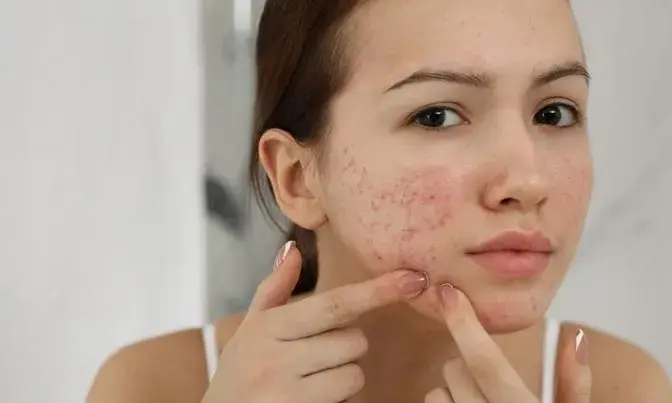
Scars can develop for many reasons, including acne, injuries, burns, surgery, and other skin conditions. Although scars are a natural part of the healing process, they can sometimes affect skin texture, appearance, and confidence. With the right skincare routine and professional guidance, many scars can become less noticeable over time. Choosing an appropriate treatment is important because every scar has different characteristics and may respond differently to available procedures.
Scar Removal in Dubai is an option for people who want to improve the appearance of acne scars, surgical scars, injury marks, and uneven skin texture. At Altaderma Clinic, understanding the type of scar, its depth, and the condition of the surrounding skin can help guide treatment planning. Professional assessment also helps determine which procedures may be suitable for an individual’s skin concerns.
This article explains expert tips for better scar treatment results, common treatment options, aftercare recommendations, and factors that may affect Scar Removal cost in Dubai.
Understanding Different Types of Scars Before Scar Removal in Dubai
Before choosing a treatment, it is important to understand what type of scar you have. Scars develop when the skin repairs itself after damage. The healing process can produce changes in collagen, pigmentation, and skin texture.
Different scars require different approaches, so identifying the type of scar is an important first step.
Acne Scars
Acne scars may appear as small depressions, uneven areas, or raised marks. They often develop after severe acne or inflammation damages the skin. Some scars are shallow, while others extend deeper into the skin.
Treatment may focus on improving skin texture, stimulating collagen production, or reducing discoloration. The most appropriate option depends on the depth and type of acne scars.
Surgical and Injury Scars
Surgical scars can develop after medical procedures, cuts, or other injuries. Their appearance depends on factors such as wound depth, healing, skin tension, and genetics.
Some scars become thin and flat, while others may remain raised or appear darker than the surrounding skin. Early wound care and appropriate follow-up can help support healing.
Raised and Thick Scars
Raised scars form when the body produces excess collagen during healing. Hypertrophic scars remain within the boundaries of the original wound, whereas keloids may extend beyond them.
These scars may require specialised treatments rather than procedures designed for depressed acne scars. A qualified professional should assess raised scars before treatment.
Pigmented Scars
Some marks appear darker or lighter than the surrounding skin without creating a noticeable change in texture. These changes may occur after acne, inflammation, or injury.
Treatment focuses on the underlying pigmentation and skin condition. Sun protection is particularly important because ultraviolet exposure can make dark marks more noticeable.
How Altaderma Clinic Approaches Scar Removal in Dubai
Choosing a suitable treatment begins with a professional skin assessment. At Altaderma Clinic, an individualised approach to Scar Removal in Dubai can help patients understand their skin concerns and explore appropriate treatment options.
During an assessment, several factors may be considered, including scar type, age, depth, location, skin tone, and previous treatments. The professional may also ask about current skincare products, medical history, and any tendency to develop raised scars.
The goal is to identify a treatment approach that suits the patient’s needs while considering skin safety and realistic expectations.
Some scars may improve with topical products and careful skincare, while others may benefit from professional procedures. In certain cases, combining different treatments may provide better improvement than relying on a single method.
Professional Treatments for Better Scar Removal Results
There is no single treatment that works for every scar. The best option depends on the specific concern and the condition of the skin.
Laser Treatments for Scar Improvement
Laser treatments may help improve certain types of scars by targeting pigmentation, stimulating collagen production, or improving skin texture. Different laser technologies work in different ways.
Some treatments are designed for uneven texture, while others target redness or pigmentation. The suitability of laser treatment depends on the scar type and the patient’s skin tone.
People with darker skin tones may have a greater risk of developing pigmentation changes after certain procedures. A professional assessment and appropriate treatment settings are important for reducing this risk.
Microneedling for Acne Scars
Microneedling uses fine needles to create controlled micro-injuries in the skin. This process stimulates the body’s natural healing response and collagen production.
It may help improve the appearance of selected depressed acne scars and uneven texture. Multiple sessions are often required, and results develop gradually.
Microneedling may not be suitable for every scar, particularly active skin infections or certain raised scars. Treatment should be performed by a qualified professional using appropriate hygiene and safety measures.
Chemical Peels for Certain Skin Marks
Chemical peels use carefully selected solutions to exfoliate the skin. Depending on the peel’s strength and formulation, they may help improve superficial acne marks, uneven skin tone, and some pigmentation concerns.
Chemical peels are generally more useful for selected surface-level concerns than for deep, indented scars. Stronger peels require careful professional assessment because they can cause irritation and pigmentation changes.
Treatments for Raised Scars
Raised scars may respond to treatments such as silicone gel or silicone sheets, corticosteroid injections, and other specialist procedures. The appropriate approach depends on the scar’s size, thickness, location, and history.
Keloids can be difficult to treat and may return after treatment. They should be assessed by an experienced medical professional rather than treated with aggressive resurfacing procedures without proper evaluation.
Topical Products and Home Care
Certain topical products may help improve the appearance of scars or support skin healing. Silicone-based products are commonly used for suitable raised surgical scars, while ingredients such as retinoids may be considered for selected skin concerns under professional guidance.
However, creams cannot completely remove deep scars. Avoid harsh scrubs, unverified home remedies, and products that cause burning or irritation. Damaging the skin further may worsen pigmentation and delay healing.
Expert Tips for Better Scar Removal in Dubai Results
Getting the best possible results involves more than selecting a procedure. Proper preparation, realistic expectations, and consistent aftercare all contribute to the treatment process.
1. Choose Treatment According to Your Scar Type
One of the most important tips is to avoid choosing a treatment based only on popularity. A procedure that helps depressed acne scars may not be appropriate for raised surgical scars.
Before starting Scar Removal in Dubai, seek a professional assessment to identify the scar type and understand the expected benefits, limitations, and possible risks.
2. Follow a Consistent Skincare Routine
Gentle skincare can support the skin barrier during the treatment process. Use a mild cleanser, an appropriate moisturiser, and products recommended by your skincare professional.
Avoid introducing multiple strong active ingredients at once, especially when the skin is recovering from a procedure. Excessive exfoliation and irritation may make the skin more sensitive.
3. Protect Your Skin From Sun Exposure
Sun protection is an important part of scar care. Ultraviolet exposure can darken some scars and increase the risk of post-inflammatory pigmentation, particularly after skin resurfacing procedures.
Apply a broad-spectrum sunscreen with SPF 30 or higher to exposed areas and reapply as directed. Hats, protective clothing, and shade can provide additional protection.
Continue sun protection even after the skin appears healed because pigmentation changes may take time to settle.
4. Follow All Aftercare Instructions
Aftercare requirements vary according to the treatment. Some procedures may cause temporary redness, swelling, dryness, or peeling.
Follow the instructions provided by your treating professional. These may include avoiding certain skincare ingredients, using recommended moisturisers, and temporarily limiting activities that irritate the skin.
Do not pick peeling skin, squeeze treated areas, or remove scabs. Allowing the skin to heal naturally can reduce the risk of further marks and complications.
5. Attend Recommended Follow-Up Appointments
Scar improvement often happens gradually. Follow-up appointments allow the professional to assess healing, review progress, and determine whether further sessions are appropriate.
If a treatment causes unexpected pain, increasing redness, blistering, discharge, or other concerning symptoms, contact your healthcare professional promptly.
6. Maintain Realistic Expectations
Most scar treatments aim to reduce the visibility of scars rather than remove them completely. The degree of improvement depends on scar depth, skin type, healing response, and treatment selection.
Superficial marks may improve more quickly than deep or longstanding scars. Some people require several sessions over a period of months to see meaningful changes.
At Altaderma Clinic, discussing realistic outcomes before beginning treatment can help patients make informed decisions and understand the likely treatment timeline.
What to Expect During Scar Removal Treatment
The experience depends on the selected procedure. During an initial consultation, the professional may examine the affected area, discuss previous treatments, and explain the proposed treatment plan.
Some procedures require little preparation, while others may involve adjustments to skincare products or temporary avoidance of sun exposure. Depending on the technique, numbing cream may be used to improve comfort.
After treatment, mild redness, sensitivity, swelling, or peeling may occur. Recovery time varies depending on the procedure and its intensity. Less intensive treatments may involve minimal downtime, while more intensive resurfacing procedures can require a longer recovery period.
It is important to allow sufficient time between sessions for the skin to heal. Performing treatments too frequently may increase irritation and the risk of complications.
Patients should ask their provider about expected downtime, possible side effects, and when they can safely return to their normal skincare routine.
Scar Removal Cost in Dubai: What Affects the Price?
Understanding the Scar Removal cost in Dubai is an important part of planning treatment. Prices can vary considerably because different scars require different procedures and levels of care.
There is no single price that applies to every patient. A personalised consultation can help clarify the expected treatment plan and associated costs.
Type and Severity of the Scar
The type of scar is one of the main factors affecting treatment cost. Superficial marks may require a different approach from deep acne scars, thick surgical scars, or extensive areas of scarring.
More complex scars may need specialist assessment or a combination of treatments.
Treatment Method
The procedure selected can affect the overall price. Laser treatments, microneedling, chemical peels, and specialist treatments for raised scars have different equipment, professional, and aftercare requirements.
The exact technology used and the complexity of the procedure may also influence the fee.
Number of Sessions Required
Some scars improve after a single treatment, but many require multiple sessions. The number of sessions depends on the scar’s characteristics, the chosen method, and the skin’s response.
When discussing Scar Removal cost in Dubai, ask whether the quoted price applies to one session or a complete treatment plan.
Size and Location of the Treatment Area
Treating a small scar may require less time than treating several acne scars across the cheeks or a larger surgical scar. The location of the scar can also affect the procedure and level of care required.
Consultation and Aftercare
The total cost may include an initial consultation, follow-up visits, skincare products, or additional procedures. Patients should ask for a clear breakdown of any expected expenses before starting treatment.
At Altaderma Clinic, discussing the available options and their associated costs can help patients understand which approach best fits their needs and budget. Treatment decisions should consider safety and suitability, not price alone.
Who May Benefit From Scar Removal in Dubai?
People who have acne scars, certain surgical scars, injury marks, or uneven skin texture may benefit from professional scar assessment.
However, not every scar should be treated immediately. Active acne, infections, irritated skin, and some raised scars may require a different approach before cosmetic procedures can be considered.
Patients with a history of keloids, unusual wound healing, or pigmentation problems should discuss these concerns during consultation. Some procedures may need to be avoided or modified to reduce potential risks.
A professional assessment helps determine whether treatment is appropriate and what kind of improvement may be achievable.
Common Mistakes to Avoid During Scar Treatment
Several common mistakes can interfere with the healing process and affect results.
- Using too many active skincare products: Combining strong acids, retinoids, and exfoliants without guidance may irritate the skin.
- Skipping sunscreen: Sun exposure can make pigmentation more noticeable and may affect recovery.
- Expecting immediate results: Collagen remodelling and scar improvement take time.
- Trying unverified home remedies: Lemon juice, abrasive scrubs, and other irritating substances may damage the skin.
- Ignoring professional advice: Continuing unsuitable products or missing recommended follow-up appointments may interfere with recovery.
- Choosing treatment without assessment: Different scars need different approaches, and the wrong procedure may worsen the problem.
Avoiding these mistakes and following a suitable care plan can support safer treatment and more consistent improvement.
Why Consider Altaderma Clinic for Scar Removal in Dubai?
Choosing a clinic for Scar Removal in Dubai involves considering professional expertise, treatment suitability, hygiene standards, and clear communication.
At Altaderma Clinic, patients can discuss their concerns, learn about available treatment options, and understand the factors that may affect their results. An individualised approach helps ensure that the treatment plan reflects the patient’s scar type, skin condition, and expectations.
Before proceeding, patients should ask about the practitioner’s qualifications, the proposed procedure, possible side effects, recovery time, and expected costs. Understanding these details makes it easier to make an informed decision.
A good treatment plan should prioritise skin health, safety, and realistic outcomes rather than promise complete scar removal.
Conclusion: Achieving Better Results With Scar Removal in Dubai
Improving the appearance of scars requires patience, appropriate treatment, and consistent aftercare. Whether you have acne scars, surgical marks, pigmentation, or uneven skin texture, the first step is understanding the type of scar and choosing a suitable approach.
Scar Removal in Dubai may involve professional procedures, topical products, or a combination of treatments depending on individual needs. Protecting the skin from the sun, following aftercare instructions, and attending follow-up appointments can help support the healing process.
The Scar Removal cost in Dubai depends on the treatment method, scar severity, treatment area, and number of sessions required. A consultation can help clarify these factors and establish a realistic plan.
At Altaderma Clinic, a personalised assessment can help patients explore suitable options for improving scar appearance while keeping skin safety and achievable results in focus. With informed decisions and consistent care, many people can work towards smoother-looking skin and greater confidence.