
Mini Tummy Tuck Dubai: How Is the Lower Abdomen Assessed Before Surgery?
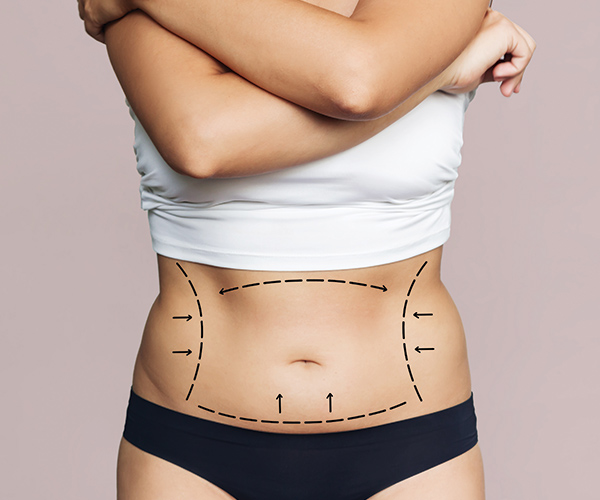
The lower abdomen is an important area to assess when planning a mini tummy tuck. Before surgery, the surgeon needs to understand the amount and location of excess skin, the distribution of abdominal tissue, the position of the navel, the condition of the abdominal wall, and the overall proportions of the midsection. This detailed assessment helps determine whether a mini tummy tuck is appropriate for the patient’s individual anatomy and goals.
For people considering Mini Tummy Tuck Dubai, the consultation provides an opportunity to discuss concerns about the lower abdomen and understand how the procedure may be planned. Unlike a full tummy tuck, a mini tummy tuck generally focuses on the lower portion of the abdomen, making an accurate assessment of the area particularly important.
The lower abdomen can change because of factors such as pregnancy, changes in body weight, ageing, or natural variations in skin and tissue. Each patient has a different starting point, so the surgical approach is developed according to individual anatomy rather than using the same technique for everyone.
Why the Lower Abdomen Is Assessed Before Surgery
The purpose of the pre-surgical assessment is to understand exactly where the concerns are located and how they relate to the rest of the abdomen. The surgeon examines the skin, underlying tissue, abdominal wall, and overall abdominal contour.
A patient may have excess skin concentrated below the navel, while another may have a combination of lower-abdominal skin and tissue concerns extending toward the sides. These differences can influence the surgical plan.
The assessment also allows the surgeon to determine whether the patient’s goals correspond with the typical treatment area of a mini tummy tuck.
Examining Lower Abdominal Skin
Skin quality is one of the first aspects considered during a lower-abdominal assessment. The surgeon may examine the amount of loose skin, its elasticity, thickness, and distribution.
Loose skin may be concentrated around the area below the belly button. The surgeon assesses how much skin can potentially be addressed while maintaining an appropriate abdominal contour.
Skin characteristics can vary considerably from one patient to another. Understanding these differences helps the surgeon plan the extent of the procedure and explain what the treatment is intended to address.
Assessing the Amount of Excess Skin
The amount of excess skin is evaluated both visually and through physical examination. The surgeon may assess how the skin folds when the patient is standing and how much tissue can be gently pinched or manipulated.
This examination provides information about the quantity and location of tissue in the lower abdomen. It also helps the surgeon understand whether the patient’s concerns are primarily related to skin or whether other anatomical factors should be considered.
The findings become part of the overall assessment used to create an individualised treatment plan.
Evaluating Abdominal Tissue
The lower abdomen contains skin, subcutaneous fat, connective tissue, and underlying abdominal structures. During consultation, the surgeon evaluates the thickness and distribution of the tissue beneath the skin.
This assessment is important because the visible contour of the abdomen is influenced by more than loose skin alone. The surgeon considers the relationship between the different tissue layers when planning the treatment.
Where appropriate, the discussion may also include whether other body-contouring techniques could be relevant to the patient’s goals.
Assessing Abdominal Muscle and Wall Structure
The abdominal wall is another important consideration during consultation. The surgeon may assess the tone and structure of the abdominal wall and determine whether there are changes in the midline or surrounding tissues.
Pregnancy and significant changes in body size can affect the appearance of the abdominal wall. The surgeon evaluates the area to understand whether the patient’s concerns are primarily related to skin and superficial tissue or whether deeper anatomical considerations may influence the treatment plan.
This distinction can help determine whether a mini tummy tuck is suitable for the patient’s specific needs.
Examining the Area Around the Navel
The position and appearance of the navel are important when distinguishing a mini tummy tuck from a full abdominoplasty. A mini tummy tuck generally concentrates on the lower abdomen, and the surgical approach to the navel differs from procedures that address a larger area of abdominal skin.
During consultation, the surgeon may evaluate the position of the belly button in relation to the surrounding abdominal skin and the areas of concern.
The navel also provides an anatomical reference point when determining where the patient’s excess tissue is located.
Evaluating the Lower Abdominal Contour
The surgeon examines the overall contour of the lower abdomen from different angles. The abdomen may be assessed from the front, side, and sometimes additional viewpoints to understand its shape and proportions.
This allows the surgeon to identify where fullness or loose skin is most noticeable. The lower abdominal contour can also be compared with the upper abdomen and waist to understand the relationship between different areas.
A complete assessment helps ensure that the treatment plan considers the abdomen as a whole while concentrating on the area the procedure is designed to address.
Assessing Abdominal Proportions
Proportion is an important part of body-contouring planning. The surgeon may consider the relationship between the lower abdomen, waist, hips, and upper abdomen.
The objective is not simply to remove a particular amount of tissue. Instead, the surgeon considers how the lower abdomen fits within the patient’s overall body structure.
Patients may have different preferences regarding how much lower-abdominal fullness they want to change. These preferences can be discussed alongside the anatomical assessment.
Evaluating Skin Elasticity
Skin elasticity refers to the ability of the skin to stretch and return toward its original position. The surgeon may assess this characteristic during the physical examination.
The quality of the skin can vary according to age, previous pregnancy, weight changes, genetics, and other individual factors. By assessing elasticity, the surgeon can better understand the behaviour of the abdominal skin and how it may respond to the planned procedure.
This information is useful when determining the appropriate surgical approach.
Assessing Previous Changes to the Abdomen
The surgeon may ask about previous abdominal procedures, pregnancy, major weight changes, or other events that have affected the lower abdomen.
Previous surgery can leave scars or alter the location of certain anatomical structures. A history of pregnancy or significant weight changes may also provide useful context when evaluating the current abdominal contour.
Understanding the abdomen’s history helps the surgeon create a more informed treatment plan.
Examining Existing Scars
Existing scars can be relevant during the assessment. The surgeon may examine their location, length, and relationship to the area where a planned incision could be placed.
Patients should mention previous abdominal or pelvic surgeries during their consultation. This information allows the surgeon to take previous surgical changes into account when planning the procedure.
The assessment is individual because scar patterns and tissue characteristics vary between patients.
Considering Fat Distribution
Although a mini tummy tuck primarily addresses the lower abdominal area, the distribution of subcutaneous fat may also be assessed.
Some patients have relatively little excess fat but noticeable loose skin, while others may have more significant tissue volume in the lower abdomen. The surgeon evaluates these characteristics when discussing treatment options.
In some cases, patients may also ask about combining body-contouring procedures. The suitability of any additional approach depends on the individual’s anatomy and treatment objectives.
How Patient Goals Influence the Assessment
The physical assessment is only one part of the consultation. Understanding what the patient wants to change is equally important.
A patient may be concerned about a small lower-abdominal skin fold, difficulty achieving a smoother contour, or changes following pregnancy or weight loss. Another patient may want to improve the relationship between the lower abdomen and waist.
By discussing these concerns, the surgeon can identify the specific areas that matter most to the patient and compare them with the findings from the examination.
Why Standing and Lying Positions May Be Considered
The appearance of abdominal tissue can change depending on body position. During a physical examination, the surgeon may assess the abdomen while the patient is standing and may also examine it in another position.
Standing provides information about how the skin and tissue naturally fall with gravity. A different position can provide additional information about tissue movement and abdominal wall structure.
Using more than one viewpoint can therefore contribute to a more complete understanding of the lower abdomen.
How Measurements Help Plan a Mini Tummy Tuck
Measurements can help establish the location and extent of the area being considered for treatment. The surgeon may assess distances between anatomical landmarks and evaluate the amount of tissue that may be addressed.
These measurements are not simply numbers used in isolation. They are considered together with skin quality, tissue distribution, abdominal proportions, and the patient’s goals.
The information can then be used to develop an individualised surgical plan.
Understanding Mini Tummy Tuck Cost in Dubai
Patients researching Mini Tummy Tuck Cost in Dubai may find that the price varies depending on the specific treatment plan and the services included.
Factors that may contribute to the overall cost include the surgeon’s professional fees, facility charges, anaesthesia, consultation, surgical requirements, and whether additional body-contouring procedures are included.
A personalised quotation is generally more useful than relying on a general price because each patient’s treatment plan is different. At Cornerstone, patients can discuss their anatomical assessment and treatment requirements while also asking about the expected cost of their planned procedure.
What Patients Can Discuss During Consultation
A consultation for a mini tummy tuck can cover several important areas. Patients may wish to discuss:
- The location of excess lower-abdominal skin
- Their desired abdominal contour
- Previous pregnancy or significant weight changes
- Previous abdominal surgery and scars
- Existing tissue distribution
- Abdominal wall structure
- The position of the navel
- The relationship between the abdomen and waist
- Available treatment options
- The expected treatment area
- Mini Tummy Tuck Cost in Dubai
Open communication allows the surgeon to understand the patient’s expectations while explaining the anatomical findings from the examination.
Preparing for a Mini Tummy Tuck Consultation
Patients can prepare for their consultation by thinking about which parts of their lower abdomen they would most like to change. It can also be helpful to make a note of previous abdominal procedures, pregnancies, significant weight changes, and other relevant history.
Patients should also consider what type of abdominal contour they prefer and how their goals relate to their overall body proportions.
Preparing questions about the surgical approach, treatment area, recovery planning, and Mini Tummy Tuck Cost in Dubai can make the consultation more informative.
Why Individual Assessment Matters
There is no single lower-abdominal shape or treatment plan that applies to every patient. Differences in skin quality, tissue distribution, abdominal wall structure, body proportions, and previous changes mean that each consultation needs to be individual.
A detailed assessment allows the surgeon to identify the specific anatomical features that should be considered and determine whether a mini tummy tuck corresponds with the patient’s goals.
This individualised approach also gives patients an opportunity to understand why a particular treatment plan has been proposed.
Conclusion
The lower abdomen is carefully assessed before Mini Tummy Tuck Dubai to understand the location and amount of excess skin, tissue distribution, skin elasticity, abdominal wall structure, navel position, scars, and overall body proportions.
The surgeon combines physical measurements with the patient’s goals to determine whether a mini tummy tuck is suitable and how the procedure can be planned around the individual’s anatomy. Previous pregnancy, weight changes, and abdominal procedures can also provide important information during the consultation.
For patients considering treatment at Cornerstone, a detailed lower-abdominal assessment can provide a clearer understanding of the proposed approach. Discussing Mini Tummy Tuck Cost in Dubai during the consultation can also help patients understand the financial aspects of their individual treatment plan.
FAQs
How is the lower abdomen assessed before a mini tummy tuck?
The surgeon examines the lower-abdominal skin, tissue distribution, skin elasticity, abdominal wall, navel position, scars, and overall abdominal proportions. Measurements and the patient’s treatment goals are also considered.
Why is the lower abdomen examined before surgery?
A detailed examination helps determine where the patient’s concerns are located and whether a mini tummy tuck corresponds with their anatomy and desired treatment area.
What does the surgeon look for in the lower-abdominal skin?
The surgeon may assess the amount of loose skin, its location, thickness, elasticity, and how it sits when the patient is standing.
Is abdominal muscle structure assessed before a mini tummy tuck?
Yes. The surgeon may evaluate the abdominal wall to understand its structure and determine whether the patient’s concerns primarily involve superficial tissue or other anatomical factors.
Is the belly button examined during a mini tummy tuck consultation?
Yes. The position and appearance of the navel can provide an important anatomical reference when assessing the lower abdomen and planning treatment.
Does previous pregnancy affect the abdominal assessment?
Previous pregnancy can provide useful information about changes in the abdominal skin, tissue, and wall. The surgeon may ask about pregnancy history as part of the consultation.
Are previous abdominal scars considered?
Yes. Existing scars can be examined because their position and characteristics may be relevant to surgical planning.
Does weight history affect the assessment?
Significant weight changes can affect abdominal skin and tissue distribution. The surgeon may ask about weight history to better understand the current abdominal anatomy.
Is fat distribution considered during a mini tummy tuck assessment?
Yes. The surgeon may assess the amount and distribution of subcutaneous fat in the lower abdomen when developing the overall treatment plan.
Does body proportion matter for a mini tummy tuck?
Yes. The lower abdomen is considered in relation to the waist, hips, upper abdomen, and overall body frame. This helps the surgeon understand the patient’s overall abdominal contour.
Will the abdomen be examined from different angles?
The surgeon may assess the abdomen from the front and side and may use different body positions to understand how the skin and tissue behave.
How does skin elasticity affect the assessment?
Skin elasticity provides information about the condition and movement of the abdominal skin. It is one of the characteristics the surgeon may consider when planning the treatment.
Can a mini tummy tuck address the entire abdomen?
A mini tummy tuck generally focuses on the lower abdominal area. Whether it is appropriate depends on where the excess skin and other concerns are located.
How is Mini Tummy Tuck Cost in Dubai determined?
The cost can vary according to the treatment plan, surgeon’s fees, facility charges, anaesthesia, and any additional procedures included. A personalised quotation can be discussed after the consultation.
What should I bring to a mini tummy tuck consultation?
Patients should be prepared to discuss previous abdominal surgery, pregnancy, significant weight changes, existing scars, desired changes, and questions about the treatment plan and Mini Tummy Tuck Cost in Dubai.
Why is an individual assessment necessary?
Each person’s abdominal anatomy is different. An individual assessment allows the surgeon to consider the patient’s specific skin, tissue, abdominal structure, proportions, and goals when planning treatment.