
Ride On Fire Engine: A Complete Guide for Parents
A ride on fire engine can turn ordinary playtime into an exciting pretend rescue adventure. These children’s vehicles are designed to look like miniature fire trucks.
Some models are powered by rechargeable batteries, while others are pushed along manually. Electric versions can include features such as lights, sirens, steering controls, and parental remote controls.
Choosing the right ride on fire engine requires more than looking at its appearance. Parents should consider age, weight limits, speed, battery power, safety features, and the available riding space.
What Is a Ride On Fire Engine?
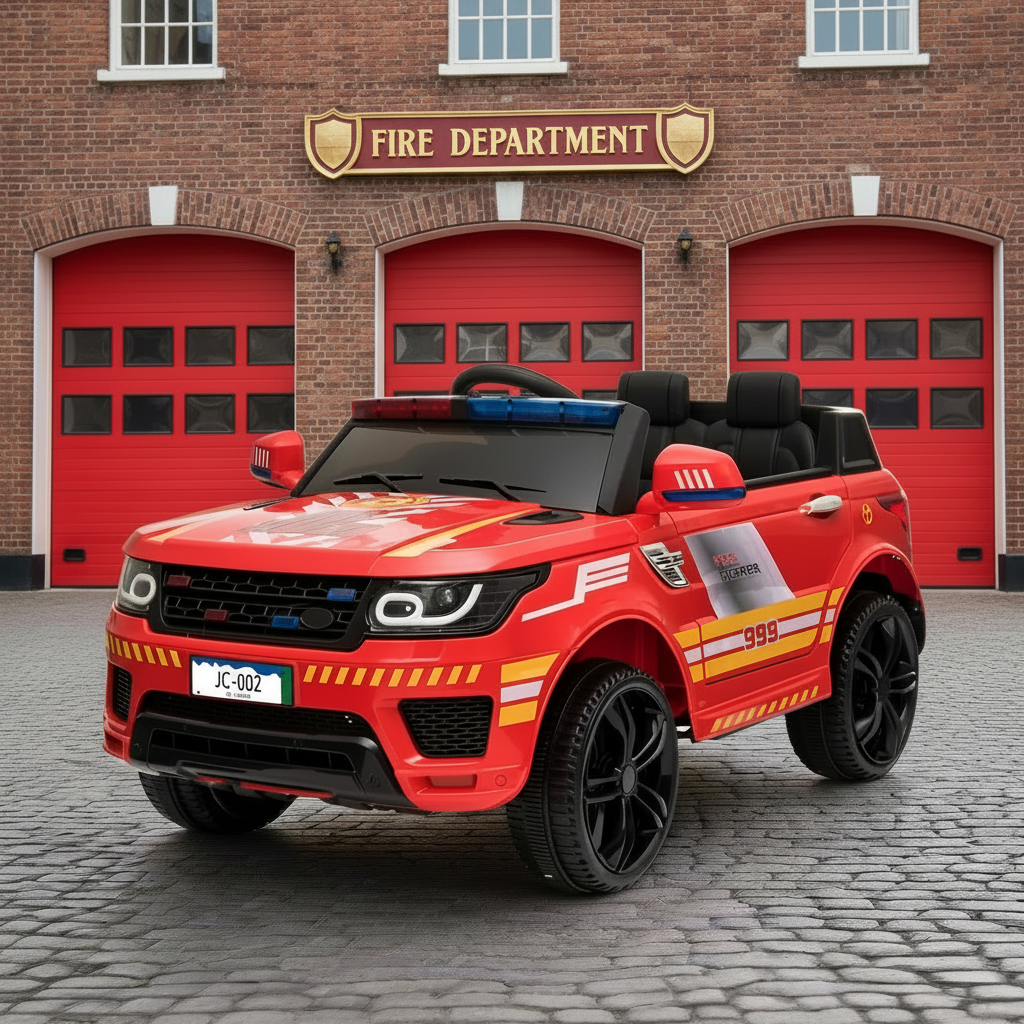
A ride on fire engine is a children’s ride-on toy designed to resemble a real emergency vehicle.
Children can sit inside the vehicle and control it themselves, depending on the model. Some smaller versions use foot-to-floor movement, while electric models use a rechargeable battery and motor.
Current UK models range from simple push-along toys to battery-powered vehicles with lights, sounds, and remote controls.
How Does an Electric Fire Engine Work?
Electric ride on fire engines normally use a rechargeable battery connected to one or more electric motors.
The child operates controls such as an accelerator, steering wheel, or forward and reverse switch.
Battery-powered models commonly use either 6V or 12V systems. The exact performance depends on the vehicle’s motor, battery, weight, and design.
6V Ride On Fire Engines
6V models are generally designed for younger children and slower play.
Some current models are designed for children around two to four years old and have relatively low maximum speeds.
12V Ride On Fire Engines
12V models can provide more power and may be suitable for slightly older children.
Some models include two motors, rechargeable batteries, parental remote controls, and additional play features.
The voltage alone should not determine suitability. Always follow the manufacturer’s age and weight recommendations.
Common Features of a Ride On Fire Engine
Different models offer different features.
Working Lights
Flashing lights can make pretend rescue games more realistic.
They are mainly designed as a play feature rather than a replacement for genuine emergency equipment.
Siren Sounds
Many fire engine ride-ons include built-in siren and engine sounds.
These sounds can make imaginative play more engaging.
Steering Controls
A steering wheel allows children to practise basic directional control.
This can help develop coordination while they learn how the vehicle responds to their movements.
Forward and Reverse
Some electric models allow children to travel forwards and backwards.
Parents should make sure children understand these controls before using the vehicle independently.
Parental Remote Control
Some electric fire engines include a remote control for adults.
This allows an adult to control the vehicle when a child is still learning. Current 12V models are available with full-function parental remotes.
What Age Is a Ride On Fire Engine Suitable For?
Age suitability varies between models.
Some simple wooden or push-along fire engines are designed for younger toddlers. Electric models can have different recommended age ranges depending on their size and power.
For example, current UK products include models designed for children aged two to four and others intended for approximately three to six years.
Parents should always check:
- Recommended age
- Maximum user weight
- Seat size
- Vehicle dimensions
- Maximum speed
- Manufacturer’s safety instructions
A child’s physical ability is also important. The child should be able to sit comfortably and understand basic controls.
Ride On Fire Engine Safety Tips
Safety should always come before speed or extra features.
Choose the Correct Size
A child should be able to sit comfortably and reach the controls.
A vehicle that is too large can make steering and stopping more difficult.
Use Adult Supervision
Children should be supervised whenever they use a ride on vehicle.
This is particularly important for younger children and first-time users.
Choose a Suitable Surface
Flat, controlled areas are generally easier for children to navigate.
A private garden or suitable outdoor play area can provide a safer environment than roads or areas with traffic.
Check the Weight Limit
Every ride-on vehicle has a maximum user weight.
Never exceed the manufacturer’s stated limit.
Check the Battery
Inspect the battery, charger, wiring, and connections regularly.
Only use the charger supplied or recommended by the manufacturer.
Where Can Children Ride a Fire Engine?
The riding environment can have a major effect on safety.
A flat garden, private driveway, or suitable play area may provide enough space for supervised use.
Avoid roads and areas with moving vehicles.
Parents should also consider pedestrians, steps, steep slopes, ponds, walls, and other obstacles.
A clear area gives children more space to practise steering and stopping.
Ride On Fire Engine and Imaginative Play
Fire engine ride-ons can support imaginative role play.
Children can pretend to respond to emergencies, rescue toys, or help imaginary characters.
This type of play encourages children to create their own stories and scenarios.
The vehicle can become part of wider outdoor games involving teamwork, communication, and problem-solving.
Ride On Fire Engine With Accessories
Some models come with additional pretend-play accessories.
These can include toy helmets, fire extinguishers, water guns, hoses, or other firefighter-themed equipment.
These accessories are designed for imaginative play.
Parents should remember that toy safety equipment is not the same as professional protective equipment. For example, some children’s toy helmets are specifically stated not to provide protection.
Battery Care and Maintenance
Proper maintenance can help keep an electric ride-on working correctly.
Charge the Battery Correctly
Follow the charging instructions supplied with the vehicle.
Do not leave charging equipment where children can access it.
Store It Properly
Keep the vehicle somewhere dry when it is not being used.
Protecting the electrical components from unnecessary moisture can help maintain the vehicle.
Check the Wheels
Inspect wheels regularly for damage or excessive wear.
Make sure moving parts remain secure.
Inspect the Controls
Check the steering, accelerator, switches, and brakes where fitted.
Stop using the vehicle if an important component appears damaged.
How to Choose the Right Ride On Fire Engine
Parents should compare several factors before making a decision.
Consider the Child’s Age
Start with the manufacturer’s recommended age range.
Check the Weight Capacity
The maximum weight should comfortably accommodate the child.
Think About the Riding Area
A larger vehicle may not be practical in a small garden or indoor space.
Consider the Speed
Younger children may benefit from a slower vehicle.
Some current models have maximum speeds around 2.5 to 3 km/h.
Look at Safety Features
Features such as seat belts, slow-start systems, parental controls, and manageable speeds can be useful depending on the child’s age and experience.
Ride On Fire Engine vs Push-Along Fire Engine
A push-along model does not require an electric motor.
The child moves the vehicle using their feet. This can make it simple for younger children to control.
Electric models provide powered movement and may include additional features.
Neither option is automatically better. The right choice depends on the child’s age, confidence, physical ability, and intended use.
Frequently Asked Questions
What is a ride on fire engine?
It is a children’s ride-on toy designed to resemble a fire engine. It can be manually operated or powered by a rechargeable battery.
Are ride on fire engines safe for children?
They can be suitable when used according to the manufacturer’s instructions. Adult supervision and an appropriate riding area are important.
What battery is used in a children’s fire engine?
Many electric models use rechargeable 6V or 12V batteries. Battery specifications vary between vehicles.
Can parents control an electric fire engine?
Some models include parental remote controls. This can allow adults to control the vehicle while children learn.
Can children use a ride on fire engine outdoors?
Many models are designed for outdoor use, but the manufacturer should be consulted for specific conditions. A flat, controlled area is generally preferable.
What should I check before buying one?
Check the recommended age, weight capacity, dimensions, speed, battery type, safety features, charging requirements, and manufacturer’s instructions.
Final Thoughts
A ride on fire engine combines vehicle play with imaginative firefighter adventures.
There are many designs available, from simple push-along toys to rechargeable electric models with lights, sounds, and parental controls.
The most important factors are age suitability, weight capacity, speed, safety features, battery requirements, and the riding environment.
Choosing a suitable model and supervising children during play can make the experience more enjoyable and controlled.