
Tree Trimming: A Complete Guide to Healthy and Safe Trees
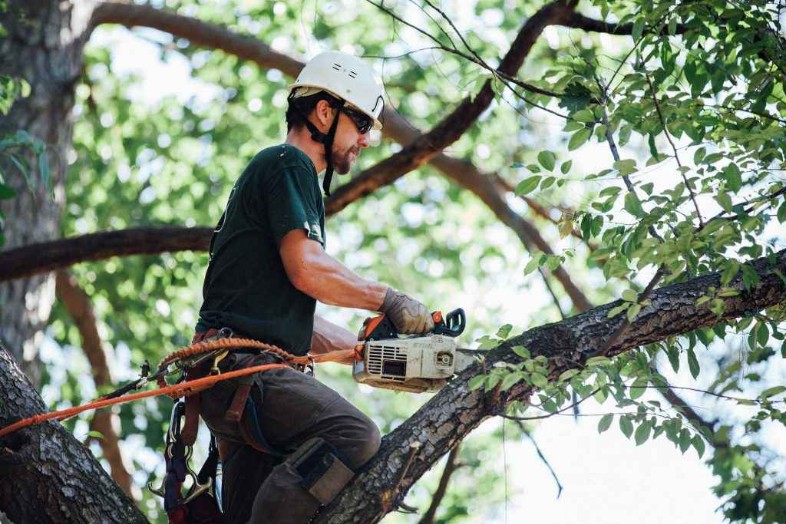
Tree trimming in Evans, GA helps keep trees healthy, safe, and attractive. Regular trimming removes weak branches, controls unwanted growth, and gives trees enough space to develop properly. Trees often grow in different directions as they age. Some branches may become too long, cross other branches, or grow close to buildings and power lines.
Proper tree trimming can prevent many common problems before they become costly repairs. It also helps improve the appearance of your yard. Homeowners can protect their property and support healthy tree growth with regular tree care.
What Is Tree Trimming?
Tree trimming involves removing selected branches from a tree. Tree care professionals use trimming to control growth, improve tree structure, and remove damaged or unwanted branches. The process requires careful cuts because poor trimming can damage the tree.
Tree trimming differs from simply cutting branches whenever they look out of place. Each cut affects how the tree grows. Professionals examine the tree before they remove any branches. They consider the tree species, age, health, size, and location.
Tree pruning often refers to the same type of work. Both services focus on removing specific parts of a tree to improve its health, structure, or safety. Proper pruning allows trees to develop stronger branch patterns while reducing unnecessary growth.
Why Does Tree Trimming Matter?
Trees add shade, beauty, and value to residential properties. However, neglected trees can create safety and maintenance problems. Dead or damaged branches can fall during storms and damage roofs, vehicles, fences, and other structures.
Regular trimming also helps trees maintain a strong structure. Crowded branches can rub against each other as the tree grows. This friction can damage the bark and create openings where insects and diseases can enter.
Homeowners can gain several benefits from regular tree trimming:
• Remove dead, damaged, and weak branches before they create hazards.
• Improve the tree shape while supporting healthy and controlled growth.
Regular tree care also keeps branches away from roofs, windows, driveways, and other areas where they can cause problems.
When Should You Trim Trees?
The best time for tree trimming depends on the tree species and the reason for the work. Many trees respond well to trimming during their dormant season. During this period, trees experience slower growth, which can make certain trimming tasks easier.
Dead, broken, or dangerous branches require attention whenever they create an immediate risk. Homeowners should not wait for the preferred season when a damaged branch threatens people or property.
Spring and summer trimming can also make sense for specific trees and situations. Professionals can determine the right timing based on tree health and local growing conditions.
Homeowners should also watch for signs that a tree needs attention. These signs include dead limbs, broken branches, excessive growth, branches that touch structures, and branches that rub against each other.
Signs Your Tree Needs Trimming
Trees often show clear signs when they need professional attention. Some problems remain easy to notice from the ground. Other problems require a closer inspection.
Dead branches often have no leaves and may show cracked or peeling bark. Broken branches can hang from the tree after strong winds or storms. These branches can fall without warning.
Branches that grow toward roofs, windows, or utility lines can also create problems. Fast growing branches may eventually interfere with structures or block important areas of the property.
Dense growth can reduce airflow and light through the canopy. Crowded branches can also compete for space. Proper tree pruning can reduce this crowding and help the tree maintain a stronger shape.
How Tree Trimming Improves Tree Health?
Healthy trees need enough space for their branches and leaves to develop. Excessive growth can place stress on certain parts of the tree. Trimming removes selected branches and allows the remaining structure to grow with less competition.
Tree trimming also removes damaged areas that may attract insects or allow disease to spread. Professionals can identify unhealthy branches and remove them carefully.
Good trimming does not mean removing large amounts of growth at once. Excessive cutting can weaken a tree and expose sensitive areas to sun damage. Professional tree care focuses on making the smallest cuts needed to reach the desired result.
Tree Trimming and Property Safety
Tree safety becomes especially important when trees grow near homes, streets, sidewalks, and power lines. Large branches can become heavy and unstable over time. Storms can increase this risk by adding strong winds and heavy rain.
Branches that hang over roofs can scratch shingles and collect against gutters. Branches near driveways can interfere with vehicles. Growth near sidewalks can obstruct pedestrians.
Power lines require special care. Homeowners should never attempt to trim branches that contact or approach electrical lines. Qualified professionals can assess the situation and follow safe practices when working around utility areas.
Professional Tree Trimming vs. DIY Trimming
Small trimming jobs may seem simple, but larger trees can create serious risks. Tall branches require specialized equipment and careful planning. A falling branch can injure someone or damage nearby property.
Professional tree trimming services provide the equipment and experience needed for larger jobs. Tree care professionals can assess branch structure and determine which branches need removal.
Homeowners who attempt major trimming may also make cuts that harm the tree. Poor cuts can leave large wounds or remove important branches. Correct trimming requires an understanding of tree growth and structure.
Professional service makes sense when a tree has large branches, significant damage, difficult access, or growth near buildings and utility lines.
How Often Should Trees Get Trimmed?
There is no single schedule that works for every tree. Growth rate, species, age, health, and location all affect trimming needs. Young trees may need occasional structural pruning as they develop.
Mature trees often need less frequent tree trimming service when they have good structure and remain healthy. Some trees may need attention every few years, while others may require more regular care.
Property owners should inspect their trees throughout the year. Storms, disease, insects, and rapid growth can create new problems between scheduled trimming visits.
A professional tree inspection can help homeowners create a practical tree care schedule based on the condition of each tree.
What Happens During Tree Trimming?
A professional usually starts by inspecting the tree and the surrounding property. The inspection helps identify damaged branches, weak connections, crowded growth, and potential safety concerns.
The trimming process then focuses on specific branches. Professionals make controlled cuts that support the tree’s natural structure. They also consider nearby buildings, vehicles, fences, and landscaping.
After trimming, the team checks the tree and surrounding area. They remove branches and clean up the work area. Good tree trimming should leave the property safe and orderly.
Choosing Tree Trimming Services
Homeowners should choose a tree care company with experience handling trees similar to those on their property. A reputable company should explain the work clearly and provide a written estimate when appropriate.
Property owners should also ask about insurance, equipment, and the specific services included in the job. Clear communication helps prevent confusion about pricing and the work plan.
Local experience can provide another advantage. Tree professionals who understand local conditions can recognize common tree species and regional growing concerns.
Homeowners should avoid choosing a company based only on the lowest price. Proper tree trimming protects valuable trees and property, so skill and safe work practices matter.
Common Tree Trimming Mistakes
Several mistakes can damage trees or create unnecessary safety risks. Cutting too much growth at once can weaken the tree. Removing major branches without a clear reason can also affect its natural structure.
Topping creates another common problem. This practice removes large sections from the upper part of a tree. It can lead to weak new growth and long term tree health problems.
Homeowners should also avoid making random cuts. Each cut should have a clear purpose. Proper tree pruning focuses on tree health, structure, clearance, or safety.
FAQs About Tree Trimming
1. What does tree trimming do?
Tree trimming removes selected branches to improve tree health, structure, appearance, and safety. It can also keep branches away from buildings, walkways, and other property features.
2. How often should I trim my trees?
The ideal schedule depends on tree species, age, growth rate, health, and location. A professional inspection can help determine how often each tree needs trimming.
3. Can I trim a large tree myself?
Large trees can create serious safety risks during trimming. Falling branches and improper cuts can cause injuries or property damage. Professional tree trimming services provide the equipment and experience needed for larger jobs.
4. Does trimming help trees grow?
Proper trimming can support healthy growth by removing damaged, weak, or crowded branches. It allows the tree to direct resources toward healthier growth.
5. Is tree trimming the same as tree removal?
No. Tree trimming removes selected branches while keeping the tree in place. Tree removal takes down the entire tree. Removal usually becomes necessary when a tree presents serious risks or cannot remain healthy.
6. Can tree trimming prevent storm damage?
Proper trimming can reduce some risks by removing weak and damaged branches. However, no trimming method can guarantee that a tree will avoid storm damage.
Conclusion
Tree trimming services plays an important role in tree health, property safety, and landscape care. Regular inspections and proper pruning can remove dangerous branches, improve tree structure, and control unwanted growth. Professional tree trimming also helps homeowners protect roofs, vehicles, walkways, and other property features.
Homeowners should choose experienced professionals for large trees, damaged trees, and trees located near structures or power lines. Proper care can help trees remain strong and attractive for many years. Stallion Tree Professionals is the best company that provides these services in Evans, GA, and its surrounding areas.